Flagler Beach Paid Parking: What Palm Coast Renters Should Watch
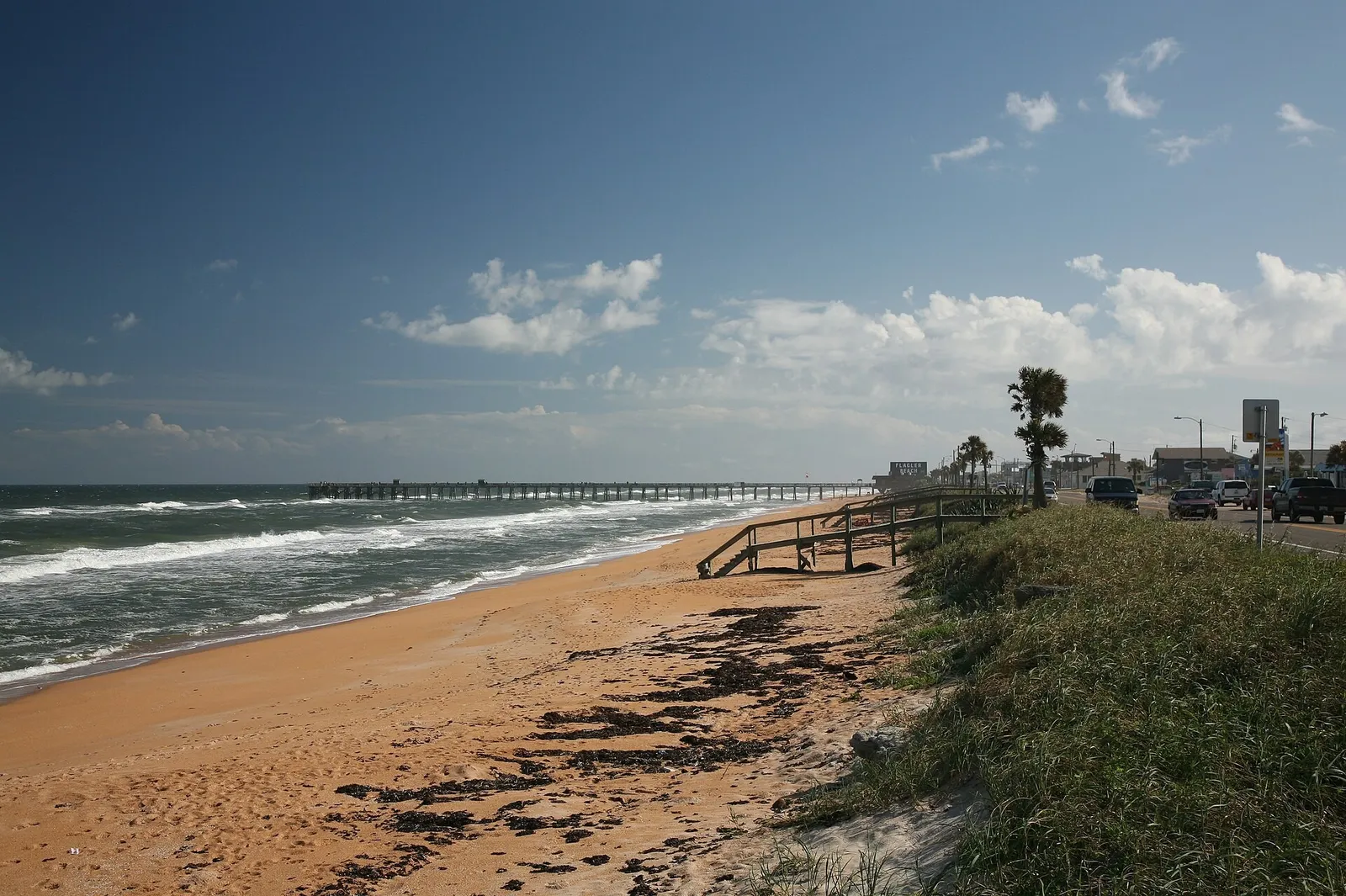
Flagler Beach has not adopted a final paid-parking program. The city has studied a vendor concept covering beachfront, on-street, and city-lot spaces, while local merchants have asked officials to pause the effort. Rates, payment zones, enforcement hours, exemptions, and any start date remain undecided.
For Palm Coast renters, this means there is no fixed parking charge to add to every beach outing yet. Still, check the rules before leaving home. A future program could increase turnover in popular spaces, while adding a new cost and another planning step to a beach day.
What Flagler Beach has proposed
A vendor concept, not a finished parking ordinance
Flagler Beach issued a request for qualifications to manage approximately 400 parking spaces. The described area includes beachfront parking, on-street spaces, and city-owned off-street lots within the Community Redevelopment Area. It generally runs from North 9th Street to South 9th Street and from Flagler Avenue to Oceanshore Boulevard, or State Road A1A.
The City Commission later ranked LAZ Parking first among the responding companies. That ranking advanced the evaluation process, but it did not establish a price, activate meters, or set an enforcement schedule. Reports following the vendor presentation still described the idea as conceptual, and commissioners said more investigation would be needed.
What businesses are requesting
At the November presentation, business owners pushed for a moratorium instead of an immediate rollout. FlaglerLive’s account of the meeting says merchants asked for a one-year pause while the barrier island recovers from construction and other disruptions. Some commissioners supported considering the pause, but the meeting ended without conclusive action establishing either a paid-parking program or a formal moratorium.
A business request, a commissioner’s expression of support, and an adopted city action have different legal and practical effects. Renters should consider the moratorium part of the public debate, with no guarantee that paid parking has been shelved.
What remains unresolved
- The price per hour, day, or visit
- The streets and lots that would become payment zones
- The hours and days when payment would be required
- Any grace period, time limit, or daily maximum
- Resident, employee, disabled-parking, veteran, or other exemptions
- Whether Palm Coast and other Flagler County residents would qualify for reduced rates
- The payment system, enforcement method, warning period, and launch date
An earlier vendor workshop covered possibilities such as mobile payment, license-plate recognition, business validation, and resident exemptions. However, WKMG reported that no final rate or program had been approved. The options vendors presented are not city rules.
Why the debate matters beyond Flagler Beach
Palm Coast residents use the beach as a local amenity
Flagler Beach is a separate municipality, but for many Palm Coast households, it is also the nearby oceanfront. Renters drive east for morning walks, surf sessions, restaurant meals, library stops, festivals, and afternoons with visiting relatives. Parking policy therefore affects quality of life across Flagler County, including for people who do not live inside the beach city.
The proposed study area covers the part of town where several stops often become one outing. Someone might park near A1A, cross to the sand, return for lunch, and then walk to another business. A payment zone or time limit could change that routine even if the parking charge is modest.
The address on your lease may affect eligibility
One major unanswered question is who would count as a resident for an exemption. "Resident" could mean someone living within the Flagler Beach city limits, a Flagler Beach property owner, or anyone living in Flagler County. Each version would affect a Palm Coast tenant differently.
Until the city publishes its final eligibility language, do not assume that a Palm Coast address, Flagler County driver license, or lease will qualify. If the city adopts a permit system, renters should check which documents it accepts. A lease, utility bill, vehicle registration, and driver license may show different addresses shortly after a move.
Repeated short visits can cost more over time
A household that visits occasionally may be able to absorb a new parking fee without changing its plans. The cumulative cost would show up more quickly for a renter who walks the beach several mornings each week, meets clients near A1A, takes children after school, or works for a beachside business.
Instead of asking what one beach day will cost, count how many paid visits the household would make in a normal month. Until an official rate exists, keep the calculation as a formula: expected visits multiplied by expected parking duration multiplied by the adopted rate.
How paid parking could affect a renter’s budget
Create a placeholder without inventing a dollar figure
No verified Flagler Beach rate was available when this article was prepared. A speculative hourly price would turn an undecided proposal into a false household expense. For now, add a temporary "beach transportation" line to your recreation budget and fill it in only after the city publishes a rate and enforcement schedule.
| Trip pattern | Budget calculation after rates are adopted | Detail to verify |
|---|---|---|
| Quick beach walk | Visit frequency × minimum charge | Minimum purchase and grace period |
| Beach plus lunch | Hours parked × hourly rate | Restaurant validation or re-entry rules |
| Family beach day | Daily cap, if offered | Maximum stay and expiration time |
| Regular employee shift | Workdays × employee rate | Employee permit eligibility |
| Guests visiting your home | Vehicles × visits × duration | Visitor passes or free alternatives |
Watch the costs around the fee
The posted parking price may be only part of the cost. Renters should check for payment-app convenience charges, penalties for overstaying, the cost of extending a session, and whether moving between zones requires another payment. Wait for the city to approve and publish these details before including them in a budget.
Indirect costs may matter too. If free spaces remain outside the paid area, drivers could spend more time circulating or park farther from their destination. Families carrying chairs, coolers, strollers, or mobility equipment should consider whether the longer walk is worth the savings.
Set a household decision rule
Once the rates are published, compare the cost of the whole outing instead of looking at the parking fee alone. If parking and fuel would take an uncomfortable share of the week’s recreation money, options include using a free access point, shortening the paid session, combining the beach with errands, or visiting Palm Coast parks and trails instead.
Make the same choice before heading out with guests. Decide whether the group prefers the most convenient downtown space or wants to keep more of the outing budget for food and activities.
Convenience, restaurants, and peak parking
Turnover could help while displacement could hurt
The main practical argument for paid parking is turnover. A price or time control can discourage a vehicle from occupying a high-demand space all day, potentially giving more drivers a chance to park near the beach or a restaurant.
Displacement is the tradeoff. Drivers who do not want to pay may move onto nearby residential streets or compete for the remaining free lots. As a result, a no-cost trip could become less predictable even if the central zone has more turnover.
A restaurant visit may require a parking plan
Some Flagler Beach restaurants have private customer parking, while others rely more heavily on public spaces. The city’s current parking information identifies public lots on both sides of State Road 100, including locations near North Central Avenue, South Ocean Shore Boulevard, South Daytona Avenue, and South Central Avenue. Check the official parking page and map before visiting.
If paid parking moves forward, ask the restaurant whether it validates parking, has a private lot, or recommends a particular public lot. An old social-media post or saved map screenshot may be out of date if zones and signs change during implementation.
Events will require extra preparation
First Friday gatherings, holiday events, and warm-weather weekends already bring more vehicles into the central business area. A paid system might improve turnover. A new payment process could also slow arrivals while visitors learn how to use the app, kiosk, zone numbers, or license-plate procedure.
On an event day, arrive with the payment method installed, photograph the nearest sign, and save the session confirmation. If an app conflicts with posted signs, follow the posted instructions and document what you saw before leaving the vehicle.
What to verify before every beach trip
Use this pre-trip checklist
- Open the city’s official parking page, not only a map application.
- Confirm whether a paid program has actually begun.
- Check the exact boundaries of payment and free-parking zones.
- Read the rate, minimum purchase, daily cap, and enforcement hours.
- Look for time limits that continue to apply after payment.
- Confirm the accepted app, kiosk, card, cash, or phone-payment methods.
- Review exemptions and the documents required to claim them.
- Check event notices, construction closures, and temporary restrictions.
- Identify a legal backup lot before crossing the bridge.
- Read the sign beside the space after arrival, since posted rules control the visit.
Know the current free-parking references
The city currently lists municipal parking areas north and south of State Road 100. They include lots around North 4th Street and North 5th Street, along with locations at South 5th Street and South 8th Street. A lot’s inclusion on the current map does not mean it would remain free under a future plan.
City guidance for short-term rentals also says overnight parking is prohibited in city-owned lots. That existing restriction is separate from the paid-parking debate. It matters when guests assume they can use a public lot for overflow parking at a rental home.
Prepare for technology problems
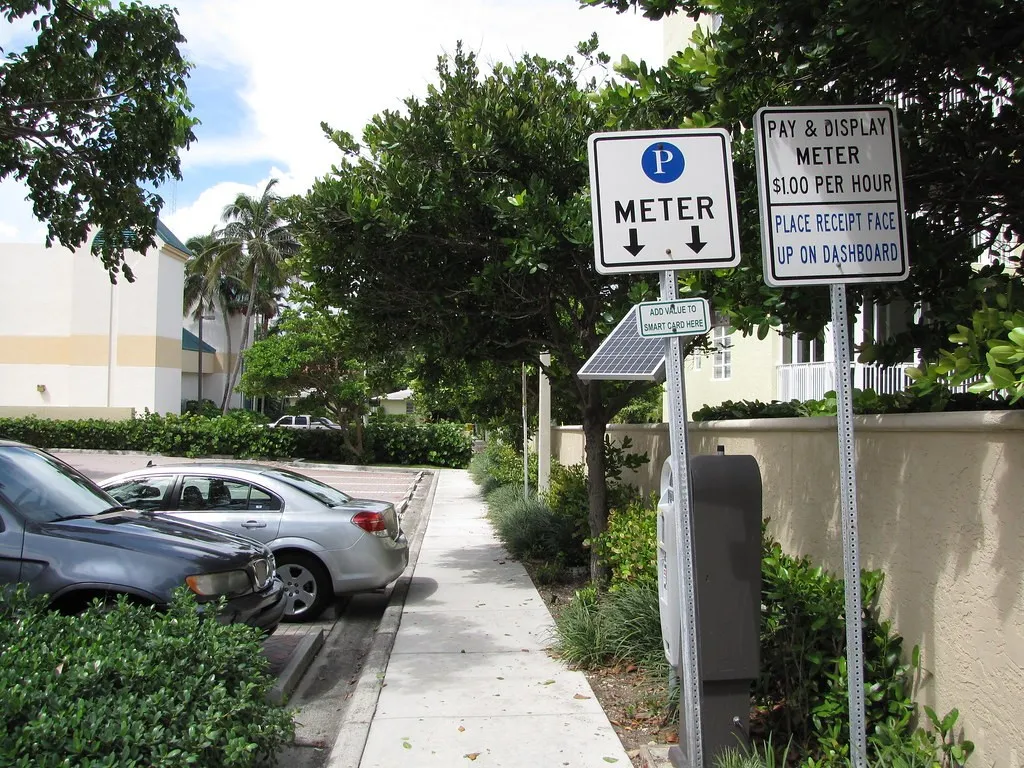
Before leaving the vehicle, verify the license plate, zone, expiration time, and payment confirmation. Save a screenshot if the connection is weak. If the app fails, look for a kiosk, posted telephone option, or instructions for reporting a problem. An app failure does not mean the space is free.
Renters who do not use smartphones should check the final program for alternative payment methods. They can also raise accessibility concerns during public comment before a system launches.
How to follow the decision without treating it as final
Watch agendas, minutes, and supporting documents
The city’s Agenda Center is the most reliable source for commission agendas and minutes. Search for terms such as "parking," "LAZ," "moratorium," "CRA," "rates," and "ordinance." A staff presentation or discussion item is not final approval. Look for a recorded vote, adopted resolution, ordinance, or executed agreement.
The city also provides email and text subscriptions for commission agendas and minutes. A subscription is more reliable than waiting for a neighborhood post after a meeting.
Read the implementation document
If commissioners decide to proceed, look for a public document with the zone map, rate schedule, enforcement hours, exemption policy, warning period, launch date, appeal process, and customer-service contact. An announcement that the city "approved paid parking" does not provide enough detail to plan a trip.
Renters should read the exemption definition closely. If it applies only to Flagler Beach residents or property owners, Palm Coast households may pay the visitor rate even though they live in the same county.
Participate with a specific renter question
Specific public comments are easier for commissioners to address. Ask how a Palm Coast tenant proves county residency, where employees will park during a full shift, what non-smartphone payment method will be available, or where free accessible parking will remain.
If the city adopts a rule, use the contact information on its official website to ask the city about it instead of relying on a business to interpret municipal policy. The city lists its main number and offices on the official Flagler Beach website.
Plan the beach routine from your Palm Coast rental
Build flexibility into where you live
Renters comparing Palm Coast neighborhoods should consider the entire routine: the drive east, the equipment carried to the sand, the likelihood of frequent short visits, and the chance that they may have to pay or walk farther. Our Palm Coast renter guides can help with the neighborhood part of that comparison.
If you are actively evaluating homes, review the broader rental inventory and compare an inland three-bedroom layout, such as Palm Coast Paradise Unit A, with your beach, work, and school routines. One pending parking proposal should not determine where you live, but the frequency of those trips belongs in your monthly budget.
Ask for help with the practical math
If you are planning a move to Palm Coast and regular access to Flagler Beach matters, Oasis Rentals can help you compare locations while the parking proposal remains unsettled. Contact Tyler at 386-516-5774 or Tyler@386rent.com, and bring your usual weekly schedule to keep the conversation focused on actual trips and costs.
Sources
- FlaglerLive: Paid Parking Pitch Falls Flat in Flagler Beach
- City of Flagler Beach: Parking Management Services Request for Qualifications
- WKMG: Flagler Beach Weighs Paid Parking
- City of Flagler Beach: Parking Locations and Map
- City of Flagler Beach: Agenda Center
- City of Flagler Beach: Notify Me Subscriptions
FAQ
Has Flagler Beach approved paid parking?
No final paid-parking program had been adopted as of November 17, 2026. The city evaluated a vendor concept, but rates, zones, enforcement hours, exemptions, and a start date remained undecided.
What moratorium are Flagler Beach businesses requesting?
Business owners asked city officials to pause further paid-parking efforts, with reporting describing a requested one-year moratorium. The request remains part of the public debate and is not an adopted city policy.
Would Palm Coast residents receive free parking?
That has not been settled. Any resident exemption could be limited to Flagler Beach residents or property owners, so Palm Coast renters should wait for the final eligibility language and document requirements.
Where can visitors currently find official parking information?
Use the City of Flagler Beach parking page and its Dodge the Dunes map. The city lists municipal lots north and south of State Road 100, but their payment status could change if a program is adopted.
How can renters follow the next decision?
Check the Flagler Beach Agenda Center and subscribe to commission agenda and minute notifications. Look for a recorded vote and published documents covering rates, zones, exemptions, and implementation instead of relying on preliminary presentations.
What should renters check before driving to Flagler Beach?
Verify whether paid parking has started, the applicable zone and hours, current rates, time limits, accepted payment methods, exemptions, event restrictions, construction closures, and a legal backup parking location.
Photo credits: Daniel Schwen / CC BY-SA 4.0; Starr Environmental / BY 2.0