Working from Palm Coast: realistic drive times to Daytona, St. Augustine, and Jacksonville
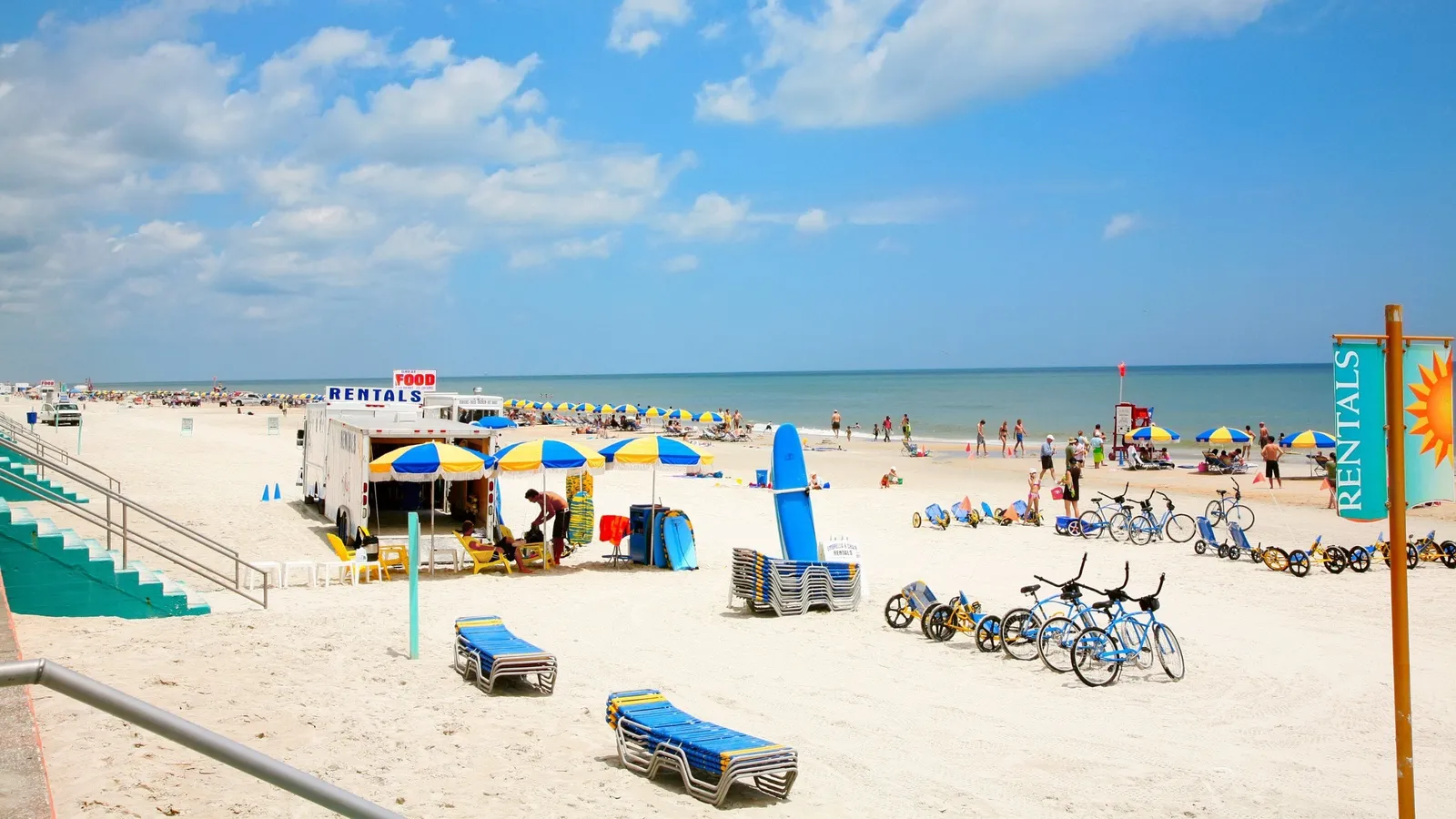
For people who work remotely or commute regularly, Palm Coast offers an interesting balance between a quieter coastal lifestyle and access to several major employment centers in Northeast Florida.
One of the biggest advantages is Interstate 95, which runs directly through the Palm Coast area and provides a straightforward route north toward St. Augustine and Jacksonville and south toward Daytona Beach.
But there is an important distinction between “close enough for a day trip” and “comfortable for a daily commute.” A drive that takes 35 or 40 minutes under normal conditions can become significantly longer during rush hour, crashes, construction, special events, or bad weather.
Here is a realistic look at commuting from Palm Coast to Daytona Beach, St. Augustine, and Jacksonville.
Palm Coast to Daytona Beach: A Realistic Commute for Workers
For Palm Coast residents who work in Daytona Beach, the commute is generally the easiest of the three major regional drives to plan. Palm Coast sits directly along the I-95 corridor, and Daytona Beach is approximately 24 miles south of Palm Coast according to the official Palm Coast and Flagler Beaches tourism organization.
The relatively short distance makes Daytona Beach a practical employment destination for many Palm Coast residents. However, the actual commute can vary considerably depending on where you live in Palm Coast, where you work in Daytona Beach, traffic conditions, and the time of day.
The Main Route: I-95 South
The primary route between Palm Coast and Daytona Beach is I-95 South.
Because Palm Coast and Flagler County are located directly along the interstate, many residents can reach I-95 without having to travel through multiple major cities or complicated surface streets. The official Palm Coast and Flagler Beaches website describes the area as being conveniently located along I-95, providing easy access to Daytona Beach and other nearby destinations.
For a worker whose home and workplace are both relatively close to I-95, this can make the commute particularly manageable.
How Long Does the Drive Take?
The distance between Palm Coast and Daytona Beach is roughly 24 miles, although the total driving distance can be longer depending on the exact starting and ending points. Official regional information also lists Daytona Beach International Airport at about 30 minutes south of Palm Coast and Flagler County.
For everyday commute planning, it is better to think in terms of a range rather than one exact travel time.
A realistic expectation
Best case: about 30–35 minutes
Typical: about 40–45 minutes
Heavy traffic or delays: potentially 50 minutes or more
These estimates are useful for planning purposes rather than guarantees. Your actual travel time can change with traffic, road construction, weather, crashes, and special events.
Your Destination in Daytona Beach Matters
Daytona Beach is not one single commute point. The final destination can make a noticeable difference in your total travel time.
For example, a worker commuting to:
Daytona International Speedway
Downtown Daytona Beach
Daytona Beach's beachside area
Daytona Beach International Airport
An office or business near I-95
may experience very different door-to-door travel times.
A workplace close to I-95 can be significantly easier to reach than one requiring a longer drive through Daytona Beach after leaving the interstate.
The same principle applies in Palm Coast. A resident living near an I-95 entrance may have a much shorter overall commute than someone who first has to drive several miles across Palm Coast to reach the interstate.
The Difference Between Highway Time and Door-to-Door Time
One of the most important considerations for renters and homebuyers is the difference between highway driving time and the actual commute.
A route planner may show a trip of approximately 30 or 40 minutes, but that does not necessarily mean you will spend only 30 or 40 minutes traveling from your front door to your desk.
Your commute may include:
Driving from your neighborhood to I-95
Entering I-95 South
Traveling toward Daytona Beach
Exiting the interstate
Driving through local streets
Finding parking
Walking from your parking area to your workplace
For this reason, someone considering Palm Coast as a home base should calculate the complete door-to-door commute, not simply the mileage between Palm Coast and Daytona Beach.
What About a Five-Day Workweek?
A commute that seems reasonable on paper can become significant when repeated every weekday.
For example, a 40-minute commute each way means approximately:
80 minutes of driving per workday
400 minutes per five-day workweek
About 6 hours and 40 minutes per week
Over a typical four-week month, that can add up to more than 26 hours of commuting.
If your commute increases to 50 minutes each way, the weekly total becomes approximately 8 hours and 20 minutes.
That is why the location of your home within Palm Coast and the location of your workplace within Daytona Beach can matter almost as much as the distance between the two cities.
Is Palm Coast a Realistic Place to Live If You Work in Daytona Beach?
For many workers, yes.
Palm Coast offers a location between St. Augustine and Daytona Beach, with direct access to I-95. The area's official tourism and economic-development information emphasizes its position along the interstate corridor and its accessibility to nearby cities.
For someone who prefers Palm Coast's residential environment, beaches, parks, and community setting but works in Daytona Beach, the commute can be practical.
However, prospective renters should test the commute during the actual hours they expect to travel before signing a lease. A weekend drive can give a very different impression from a weekday morning or afternoon commute.
What Renters Should Check Before Signing a Lease
If you are renting in Palm Coast and working in Daytona Beach, transportation should be part of the housing decision.
Before choosing a property, consider:
How close is the home to an I-95 entrance?
How long does it take to reach I-95 during your morning commute?
Where exactly is your workplace in Daytona Beach?
Do you need to cross Daytona Beach after leaving I-95?
Is parking available at your workplace?
What time do you normally start and finish work?
How does the commute change during peak traffic?
Are there alternative routes if I-95 is delayed?
A home that is $100 or $200 cheaper per month may not be the better deal if it adds substantial driving time every day.
For Palm Coast residents working in Daytona Beach, the commute is relatively straightforward because both communities are connected by I-95. The official Palm Coast and Flagler Beaches organization places Palm Coast about 24 miles north of Daytona Beach and highlights the area's direct interstate access.
A reasonable planning range is about 30 to 45 minutes in normal conditions, while heavier traffic, delays, or a workplace farther from I-95 can push the trip toward 50 minutes or more.
For renters, the key is to look beyond the city-to-city distance. Your exact neighborhood and workplace location can determine whether the commute feels easy or exhausting.
Palm Coast to St. Augustine: A Realistic Commute for Workers
For Palm Coast residents who work in St. Augustine, the commute is one of the more practical regional drives in Northeast Florida. Palm Coast and St. Augustine are relatively close, with the official Palm Coast and Flagler Beaches tourism organization listing Palm Coast approximately 31 miles south of St. Augustine.
Depending on your exact starting point, workplace, route, and traffic conditions, the drive can often be planned as roughly 30 to 40 minutes. For renters and homebuyers considering Palm Coast, that makes St. Augustine a realistic employment destination without necessarily requiring a long-distance commute.
The Main Route Between Palm Coast and St. Augustine
The primary highway connection is I-95.
Palm Coast is located directly along I-95, while St. Augustine is accessible from several interstate exits before drivers continue on local roads to their final destination. The official Flagler County economic-development information also notes that U.S. Highway 1 provides an alternative to I-95 and has direct interchanges with the interstate.
For many commuters, the basic trip involves traveling north from Palm Coast on I-95 and then using local roads for the final portion of the journey.
The exact route depends heavily on where you live and where you work.
How Long Does the Drive Take?
The city-to-city distance is roughly 30 miles, although the actual driving distance can vary by neighborhood.
For planning purposes, a reasonable estimate is:
Best case: about 25–30 minutes
Typical: about 30–40 minutes
Heavy traffic or delays: 45 minutes or more
These are planning estimates rather than guaranteed travel times. Traffic, construction, accidents, weather, special events, and the final destination in St. Augustine can all change the length of the trip.
The official Palm Coast and Flagler Beaches website describes the community as 31 miles south of St. Augustine, confirming the relatively short regional distance.
Your Workplace Location Makes a Difference
One of the biggest mistakes commuters make is looking only at the distance between two city centers.
St. Augustine has several distinct areas, and your final destination can substantially affect your door-to-door commute.
For example, commuting to:
Historic downtown St. Augustine
St. Augustine Beach
Anastasia Island
Businesses near I-95
Medical offices or employers on U.S. 1
Industrial and commercial areas north or south of the historic district
can produce very different travel times.
A job located close to I-95 may be considerably easier to reach than a workplace requiring you to continue through local streets toward downtown or the beach.
Door-to-Door Time Matters
A route planner might tell you that Palm Coast to St. Augustine takes around 30 minutes. But your actual work commute begins when you leave your driveway.
Consider the complete journey:
Drive from your Palm Coast neighborhood to I-95.
Enter I-95 North.
Travel toward St. Augustine.
Exit the interstate.
Continue on local roads.
Find parking or reach your workplace.
That final portion can make a significant difference.
St. Augustine's historic areas can be especially sensitive to traffic and parking conditions. The official Visit St. Augustine transportation information notes that the city experiences traffic and parking challenges, particularly because millions of visitors come to the area each year.
The Historic Downtown Commute Can Be Different
If your workplace is in or around historic downtown St. Augustine, don't assume that the interstate portion of the trip tells the whole story.
Downtown has older streets, limited parking, pedestrian activity, and tourist traffic. Special events can also affect travel times.
Visit St. Augustine notes that the historic downtown is highly walkable, but drivers can encounter parking and traffic issues.
For someone commuting there five days a week, it is worth checking not only the driving time but also where you will park once you arrive.
A 30-Minute Commute Adds Up
A commute of 30 minutes each way may sound easy. But repeated five days a week, it still represents a meaningful amount of time.
At 30 minutes each way:
60 minutes per workday
5 hours per five-day workweek
About 20 hours per four-week month
At 40 minutes each way:
80 minutes per workday
About 6 hours and 40 minutes per week
About 26 hours and 40 minutes per four-week month
That difference of just 10 minutes each way can add up to more than 6½ extra hours per month.
This is why choosing a Palm Coast rental based solely on monthly rent may not tell the complete story.
Why St. Augustine Can Be an Attractive Commuting Destination
St. Augustine offers a different employment and lifestyle environment from Palm Coast. It is known for its historic downtown, beaches, restaurants, cultural attractions, and tourism industry. Visit St. Augustine describes the city as having more than 450 years of history, while also highlighting its beaches, cultural attractions, and distinctive historic character.
For a Palm Coast resident, being able to work in St. Augustine while living farther south can provide a balance between the two communities.
You may choose Palm Coast because you prefer its neighborhoods, beaches, parks, or housing options while still having access to jobs in St. Augustine.
What Renters Should Check Before Signing a Lease
If you work in St. Augustine and are considering renting in Palm Coast, test the commute before committing to a property.
Ask yourself:
How far is the rental from the nearest I-95 entrance?
How long does it take to reach I-95 during your morning commute?
Where exactly is your workplace in St. Augustine?
Will you need to drive through downtown?
Where will you park at work?
What time do you start and finish work?
Does your commute change significantly during tourist season or special events?
Is there an alternative route if I-95 is delayed?
It is also worth doing a test drive at the same time you normally expect to travel to work. A midday or weekend drive may give you a much more optimistic impression than a weekday morning commute.
Palm Coast to St. Augustine vs. Palm Coast to Daytona Beach
Both St. Augustine and Daytona Beach are practical commuting destinations from Palm Coast.
Official regional information places Palm Coast approximately 31 miles south of St. Augustine and 24 miles north of Daytona Beach.
That means Daytona Beach is actually slightly closer by the official city-to-city measurement. However, commute time depends on much more than mileage. Your neighborhood, interstate entrance, workplace location, traffic, and parking situation can all affect the final door-to-door time.
For someone choosing where to rent, the better question is not simply "How far is Palm Coast from St. Augustine?"
It is:
"How long will it take me to get from this specific home to my specific workplace during my actual working hours?"
Palm Coast is a realistic home base for people who work in St. Augustine. The two communities are only about 31 miles apart, and I-95 provides a direct north-south connection between the areas.
For planning purposes, commuters can generally think in terms of roughly 30–40 minutes under normal conditions, while allowing additional time for traffic, delays, parking, and the final drive into St. Augustine.
For renters, the commute can be manageable, but the exact location of both your home and workplace matters. A property close to I-95 can make the daily drive much easier, while a home or workplace farther from the interstate can add meaningful time to every trip.
But St. Augustine has a catch
The historic center and popular coastal areas are not immediately adjacent to I-95.
If your workplace is near the interstate, the commute can be relatively straightforward. If you work in the historic district, near the waterfront, or around St. Augustine Beach, the final portion of the trip can add significant time.
For example, a drive that looks like a 30-minute interstate commute on paper can become a 40–50 minute door-to-door trip once local streets and traffic are included.
That distinction is important for anyone considering Palm Coast specifically because of employment in St. Augustine.
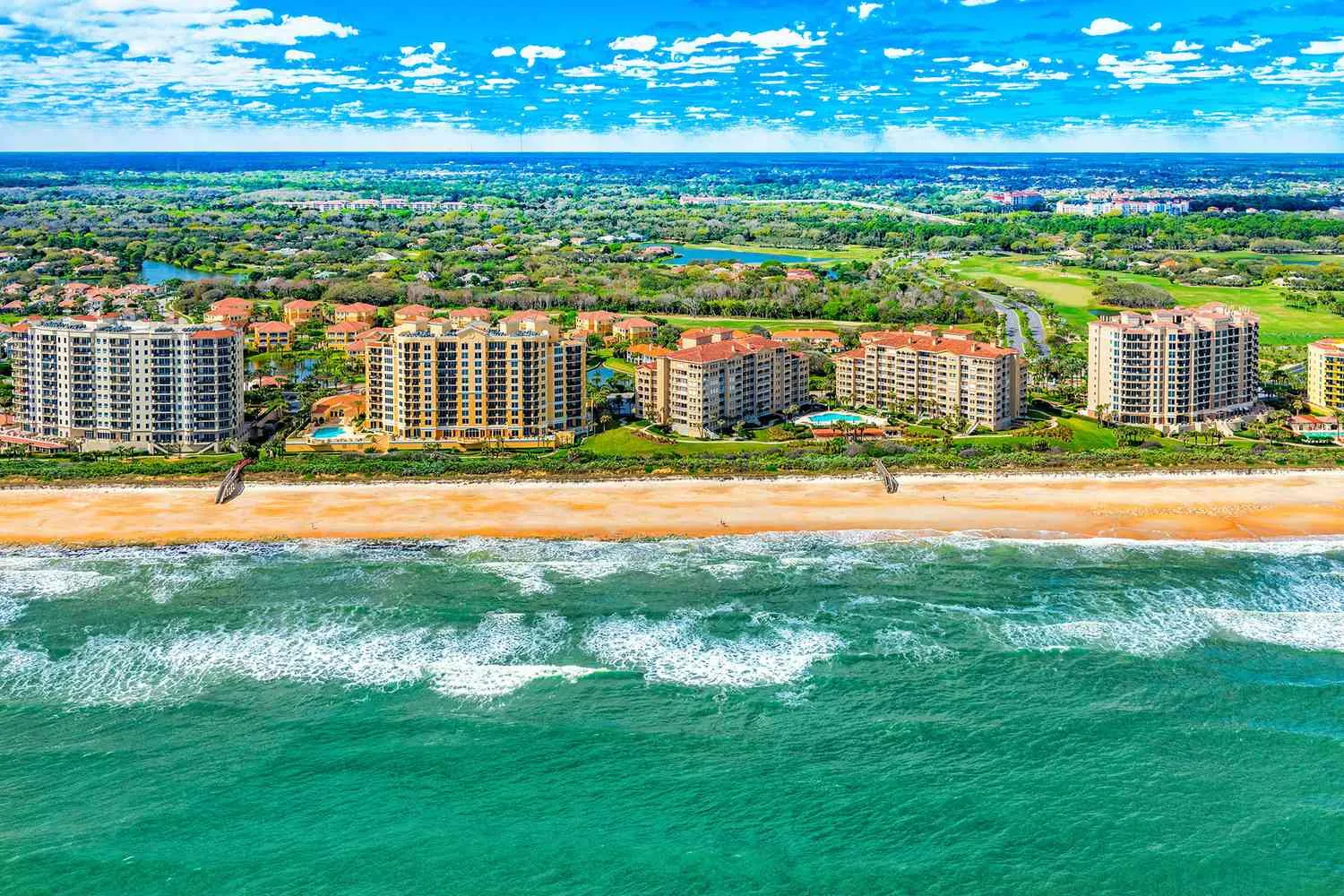
Palm Coast to Jacksonville: Is the Commute Realistic?
Jacksonville is a different category when it comes to commuting from Palm Coast.
While the two communities are connected directly by I-95 North, Jacksonville is substantially farther away than either St. Augustine or Daytona Beach. That distance can make a significant difference for someone who needs to make the trip five days a week.
For renters considering Palm Coast while working in Jacksonville, the key question is not simply whether the commute is possible. It is whether the commute is sustainable as part of your everyday routine.
How Far Is Palm Coast From Jacksonville?
The road distance from Palm Coast to Jacksonville is roughly 62 miles, although the exact distance depends on where you start in Palm Coast and where you are going in the Jacksonville metropolitan area.
Visit Florida lists the drive between Palm Coast and Jacksonville at approximately 1 hour and 15 minutes via I-95. Actual travel times can be shorter or longer depending on traffic, road conditions, and your final destination. (visitflorida.com)
The primary route is straightforward:
Palm Coast → I-95 North → Jacksonville
The challenge is less about the route itself and more about the size of the Jacksonville metropolitan area.
Jacksonville Is Not One Commute
When someone says they work in Jacksonville, that does not tell you very much about their actual commute.
Jacksonville covers a large geographic area, and workplaces can be located in very different parts of the city.
For example, someone working near the southern side of Jacksonville may have a significantly different commute from someone working:
Downtown Jacksonville
Near Jacksonville International Airport
West Jacksonville
North Jacksonville
Arlington
Southside
Near the St. Johns Town Center
In surrounding communities such as Orange Park or Jacksonville Beach
The final destination can add substantial time after leaving I-95.
This is one of the most important differences between commuting to Jacksonville and commuting to Daytona Beach or St. Augustine.
A Realistic Palm Coast to Jacksonville Commute
For planning purposes, it is safer to budget more time than the best-case route-planner estimate.
A reasonable planning range is:
Best case: around 1 hour
Typical: approximately 1 hour to 1 hour 15 minutes
Heavy traffic or delays: potentially 1½ hours or more
These are planning ranges, not guaranteed rush-hour travel times.
Traffic congestion, crashes, construction, weather, special events, and the exact location of your workplace can all affect the trip.
For someone who needs to arrive at work at a specific time every morning, building additional time into the schedule is important.
The Door-to-Door Commute Is What Matters
A route planner might show a Palm Coast-to-Jacksonville trip of approximately one hour. But that does not necessarily mean your complete commute will take only one hour.
Consider the entire journey:
Drive from your Palm Coast neighborhood to I-95.
Enter I-95 North.
Travel toward Jacksonville.
Exit I-95 near your destination.
Navigate local Jacksonville roads.
Find parking.
Walk or travel to your workplace.
If your workplace is several miles from I-95, the final portion of the trip can add considerable time.
The same applies at the Palm Coast end. Someone living close to an I-95 entrance may have a much easier commute than someone who has to cross several miles of Palm Coast before reaching the interstate.
A 75-Minute Commute Adds Up Quickly
A 75-minute commute each way means 2½ hours per workday in the car.
For a five-day workweek, that becomes:
2½ hours per day
12½ hours per week
Approximately 50 hours over four workweeks
That is more than two full days spent commuting every four weeks.
Over a year of regular five-day commuting, the total can become substantial.
This is why a Jacksonville job should be evaluated differently from a job in Daytona Beach or St. Augustine when choosing a Palm Coast rental.
Jacksonville May Make More Sense for Hybrid Workers
The commute becomes considerably more manageable when you do not have to make it every weekday.
For example, someone working remotely three days a week and traveling to Jacksonville only two days a week may find the Palm Coast location much more practical.
The calculation changes because you are exchanging a longer commute for fewer commuting days.
A hybrid worker should still consider the cost of fuel, vehicle maintenance, tolls where applicable, and the time spent driving, but the overall lifestyle impact may be much lower than for someone making the trip five days a week.
Palm Coast to Jacksonville vs. Other Regional Commutes
The difference becomes clearer when Palm Coast's three major regional employment destinations are compared.
Destination | Approx. distance | Typical planning time | Daily commute consideration |
St. Augustine | ~25–31 miles | ~30–40 minutes | One of the easier regional commutes |
Daytona Beach | ~24–30+ miles | ~40–45 minutes | Reasonable for many daily commuters |
Jacksonville | ~62 miles | ~60–75+ minutes | Better suited to hybrid work |
These figures are planning ranges, not guaranteed rush-hour travel times. Your actual commute can change significantly depending on the exact home location, workplace, traffic conditions, weather, construction, crashes, and special events.
Should You Live in Palm Coast If You Work in Jacksonville?
It depends heavily on your work schedule.
For a fully remote employee who only occasionally visits a Jacksonville office, Palm Coast can be a practical choice.
For a hybrid employee commuting two or three days per week, the trade-off may also make sense, particularly if you strongly prefer Palm Coast's housing options and lifestyle.
For someone who must be in a Jacksonville office five days a week, however, the commute deserves much more careful consideration.
The extra driving time can affect:
Fuel expenses
Vehicle maintenance
Time with family
Exercise and recreation
Sleep
Personal time
Overall work-life balance
A lower housing cost does not necessarily mean a lower overall cost of living if you are spending many additional hours on the road.
What Renters Should Check Before Choosing Palm Coast
If you work in Jacksonville and are considering a Palm Coast rental, test the actual commute before signing a lease.
Check:
How close the property is to I-95
Your expected morning departure time
Your actual Jacksonville workplace location
The distance from I-95 to your office
Parking availability
Your expected afternoon departure time
Traffic conditions during your normal work hours
Whether your employer allows hybrid or remote work
Fuel and vehicle costs
Alternative routes if I-95 is delayed
Ideally, drive the route during the same time of day you would normally commute. A weekend test drive is unlikely to provide an accurate picture of weekday traffic.
Palm Coast to Jacksonville is a possible but significantly more demanding commute than Palm Coast to St. Augustine or Daytona Beach.
The two cities are connected by I-95, but the roughly 62-mile road distance means that a typical commute can take around one hour to 1 hour 15 minutes, with longer trips possible during heavy traffic or other delays. Visit Florida lists approximately 1 hour and 15 minutes via I-95 as a driving estimate between the areas. (visitflorida.com)
For a five-day-a-week commuter, that can mean spending more than 12 hours per week in the car.
For a hybrid worker commuting only a few days per week, the calculation is much more favorable.
Ultimately, the decision comes down to more than mileage. If you work in Jacksonville, look at the exact location of your office, your work schedule, and how many days you actually need to be there before deciding whether Palm Coast is the right place to live.
I-95 Is the Key to Palm Coast Commuting
For people who live in Palm Coast and commute to nearby cities, one of the area's biggest transportation advantages is its location along I-95.
The interstate provides a major north-south connection through Florida and makes it possible for Palm Coast residents to reach employment centers in Daytona Beach, St. Augustine, and Jacksonville without relying entirely on local roads.
For renters and homebuyers, however, simply being in Palm Coast is not enough. Your distance from an I-95 entrance can make a meaningful difference in your daily commute.
Why I-95 Matters
Palm Coast is located along the I-95 corridor, between St. Augustine to the north and Daytona Beach to the south. Jacksonville is also accessible by continuing north on I-95.
The official Palm Coast and Flagler Beaches website highlights the area's location along I-95 and its accessibility to major regional destinations. The interstate is one of the primary reasons Palm Coast can function as a residential base for people who work in surrounding communities.
For commuters, this creates a relatively simple transportation pattern:
Palm Coast → I-95 → regional employment center
But the first part of that equation can be just as important as the interstate itself.
Living Near I-95 Can Save Time
Imagine two Palm Coast rental homes.
The first property is about five minutes from an I-95 entrance.
The second property is approximately 20 minutes from the interstate, requiring a longer drive on local roads before the commute even begins.
If both renters work in the same city, the difference may not appear significant when looking only at the city-to-city distance.
But the second renter starts every morning with an additional 15 minutes of local-road driving.
That is 15 minutes in the morning and another 15 minutes in the afternoon.
Over a five-day workweek, that adds up to 150 extra minutes, or 2½ hours, of driving every week.
Over a four-week month, that can become approximately 10 additional hours on the road.
This is why the location of your home within Palm Coast matters.
Don't Look Only at City-to-City Distance
When searching for a rental, it is easy to type two city names into a map and focus on the estimated travel time.
For example:
Palm Coast → Daytona Beach
or
Palm Coast → St. Augustine
But this does not necessarily represent your actual commute.
Your real journey is:
Home → local roads → I-95 → interstate → exit → local roads → workplace
Every part of that route matters.
A rental that appears slightly farther from your workplace may actually produce a shorter commute if it provides faster access to I-95.
The Exact Interstate Entrance Matters
Palm Coast is spread across a large area, so different neighborhoods have different levels of access to the interstate.
When evaluating a rental property, identify the nearest I-95 entrance and then test the drive from the actual property.
Do not assume that a property advertised as "near I-95" will necessarily be convenient.
A few extra miles on local roads can make a noticeable difference during weekday commuting hours.
Look at:
Distance from the home to I-95
Which interstate entrance you would use
Traffic on the local roads leading to the interstate
How easily you can reach the entrance during rush hour
Whether another entrance provides a faster alternative
I-95 Access and Different Commute Directions
One of Palm Coast's advantages is that commuters can travel in either direction depending on where they work.
Driving South to Daytona Beach
Workers traveling to Daytona Beach generally use I-95 South.
The interstate provides a direct connection toward Daytona Beach, although the final commute time depends on where the workplace is located.
An office close to I-95 can be considerably easier to reach than one farther east or west.
Driving North to St. Augustine
Workers heading to St. Augustine generally travel I-95 North before connecting to local roads.
Because St. Augustine is relatively close to Palm Coast, this can be one of the more manageable regional commutes.
Again, however, the final destination matters. A workplace near the interstate can be easier to reach than one requiring additional driving through busy local areas.
Driving North to Jacksonville
Jacksonville is also accessible through I-95 North, but the distance is considerably greater.
For this commute, efficient access to the interstate becomes even more important because a longer highway trip means that unnecessary local-road driving adds additional time to an already lengthy commute.
This can be particularly important for hybrid workers who want to minimize the amount of time spent commuting on the days they travel to the office.
Door-to-Door Time Is More Important Than Highway Time
One of the biggest mistakes renters make is comparing only highway travel times.
Suppose a route planner shows:
Palm Coast to Jacksonville: 1 hour
That does not necessarily mean your work commute will take one hour.
You might spend:
15 minutes getting from your home to I-95
45 minutes on the interstate
15 minutes traveling from the interstate to your workplace
Suddenly, your actual commute is closer to 1 hour and 15 minutes.
The same principle applies to shorter trips to St. Augustine and Daytona Beach.
The important number is the door-to-door travel time, not simply the time spent on I-95.
Test the Commute Before Signing a Lease
If commuting is important to your housing decision, consider testing the route before signing a lease.
Drive from the actual property to your workplace during the time you normally expect to travel.
For example, if you start work at 8:00 a.m., test the route around the time you would actually leave home.
Then test the return trip during your normal afternoon commute.
This can reveal problems that are not obvious from a map.
You may discover that:
A nearby road becomes congested during school drop-off.
An interstate entrance is slower than expected.
A particular intersection adds several minutes.
Your workplace has difficult parking.
The final few miles of the commute take longer than expected.
I-95 Access Should Be Part of Your Rental Search
When comparing Palm Coast rental homes, transportation should be considered alongside rent, bedrooms, bathrooms, neighborhood amenities, and property condition.
A property with a slightly higher monthly rent may be worth considering if it significantly reduces your daily commute.
For example, an extra $100 per month in rent might seem expensive at first. But if another property adds 10 or 15 minutes to your commute each way, you should also consider the value of your time, fuel consumption, and vehicle wear.
The cheapest rental is not always the cheapest overall choice.
What Renters Should Look For
When comparing Palm Coast properties, ask:
How far is the home from I-95?
Which entrance is most convenient?
How long does it take to reach I-95 during rush hour?
How far is the workplace from the interstate?
Is the final portion of the commute affected by traffic?
Is there a backup route?
How many days per week will you commute?
What is the realistic door-to-door travel time?
These questions can help turn a general location search into a practical commuting analysis.
Palm Coast's position along I-95 is one of its biggest advantages for commuters. The interstate provides a direct north-south transportation corridor connecting the area with Daytona Beach, St. Augustine, Jacksonville, and other communities throughout Florida.
But proximity to I-95 matters.
A home five or ten minutes from an interstate entrance can provide a very different commuting experience from a home that requires 20 minutes of local-road driving before reaching the highway.
When comparing Palm Coast rental homes, don't simply ask:
"How far is this home from my workplace?"
Instead, ask:
"How long will it take me to get from my front door to my workplace during my actual commute?"
That full route is what determines whether a Palm Coast location will feel convenient or exhausting over time.
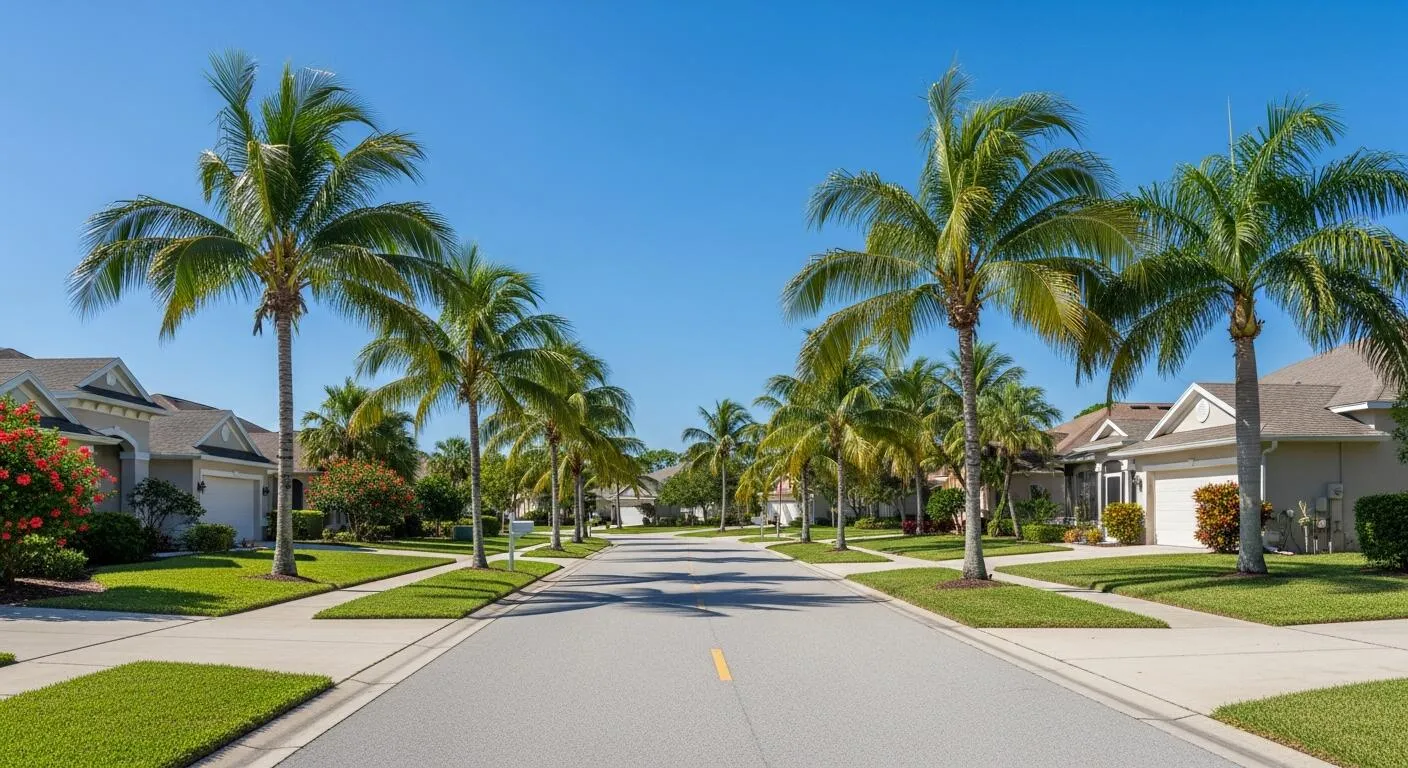
Your Palm Coast Neighborhood Can Change the Commute
When comparing Palm Coast rentals, it is easy to focus on monthly rent, square footage, bedrooms, and neighborhood amenities. But for anyone who commutes to Daytona Beach, St. Augustine, Jacksonville, or another nearby employment center, your exact neighborhood can make a meaningful difference in your daily travel time.
Palm Coast is a large community with neighborhoods spread across a wide area. Two homes can both have a Palm Coast address while producing very different commute times.
That is why renters should look beyond the city-to-city distance and consider the complete route from the front door to the workplace.
Palm Coast Is a Large Community
Palm Coast covers a substantial geographic area, with residential neighborhoods extending across the city.
Someone living in Palm Harbor, Pine Lakes, Indian Trails, Cypress Knoll, or another Palm Coast community may have a noticeably different commute even if they work at the same employer.
The difference may come down to how quickly the driver can reach I-95, which local roads they use, and how far they must travel after leaving the interstate.
Palm Coast's location along the I-95 corridor is one of the area's transportation advantages. The official Palm Coast and Flagler Beaches website highlights the city's access to I-95 and its location between major Northeast Florida destinations.
But being in Palm Coast does not automatically mean every home has the same level of highway access.
Distance to I-95 Matters
For commuters, one of the first things to check when looking at a rental should be the distance to the nearest I-95 entrance.
Consider two hypothetical renters.
Renter A lives about five minutes from I-95.
Renter B lives about 20 minutes from I-95.
If both work in Daytona Beach, St. Augustine, or Jacksonville, their interstate travel may be almost identical once they reach the highway.
But Renter B has already spent an additional 15 minutes on local roads before reaching I-95.
That difference occurs twice a day.
Over a five-day workweek, an additional 15 minutes each way becomes:
30 extra minutes per day
150 extra minutes per week
2½ extra hours per week
Approximately 10 extra hours over a four-week month
Over a year, those minutes can become hundreds of hours.
Morning Traffic Can Change the Calculation
A map may show that a rental is only a few miles from I-95, but the drive can take much longer during the morning commute.
Local intersections, traffic signals, school drop-off activity, and congestion on major roads can all affect how quickly you reach the interstate.
That is why renters should test the route during the same time they expect to leave for work.
A drive at 10:00 a.m. on a weekday may not tell you much about an 7:00 a.m. commute.
Afternoon Traffic Matters Too
The commute home deserves just as much attention.
Traffic conditions can change throughout the day, and the route that feels easy in the morning may be slower during the afternoon.
Before signing a lease, test both directions:
Home → Workplace
and
Workplace → Home
Ideally, check the route during several different weekdays rather than relying on one trip.
School-Zone Traffic Can Matter
For families, school traffic can affect local roads during morning and afternoon peak periods.
A rental that is close to a school or located along a major school drop-off route may experience short periods of increased congestion.
This does not necessarily make a neighborhood a bad choice. It simply means commuters should understand how local traffic patterns fit with their work schedule.
If your workday starts at 8:00 a.m. and your commute overlaps with school traffic, those extra minutes can become part of your normal travel time.
Construction Can Temporarily Change Your Route
Construction is another factor renters should consider.
Road improvements can create temporary lane closures, detours, reduced speeds, and additional congestion. A route that normally takes 10 minutes can take considerably longer during an active construction project.
Before signing a long-term lease, check current road conditions and construction information for the roads you will use regularly.
It is also helpful to identify at least one alternative route.
Have a Backup Route
A good commuter does not necessarily need to know every road in Palm Coast. But knowing one or two alternatives can be valuable.
If an accident, construction project, or other delay affects your normal route to I-95, an alternative road may help you avoid the worst congestion.
This is particularly useful for people who have strict arrival times at work.
A commute that normally takes 35 minutes can become much longer when one section of the route is blocked.
The Distance From I-95 to Work Matters Too
Getting to I-95 quickly is only half of the equation.
You also need to consider what happens after you leave the interstate.
For example, two people may both live near an I-95 entrance, but one may work close to the highway while the other works several miles away.
Their interstate travel time may be similar, but their final local-road commute could be very different.
Your complete commute should therefore be considered as:
Home → I-95 entrance → I-95 → exit → local roads → workplace → parking
Every section contributes to your total travel time.
Don't Forget Parking
Parking can be an overlooked part of the commute.
A route planner may calculate your driving time to the workplace, but it does not necessarily account for the time required to find a parking space, enter a parking garage, walk across a large property, or reach your office.
If you work in an area where parking is limited or expensive, include that time and cost in your commute calculation.
A 40-minute drive followed by 15 minutes searching for parking is effectively a 55-minute commute.
Hybrid Work Changes the Equation
The number of days you commute can be just as important as the distance.
For someone working in Jacksonville five days a week, a long commute can become a major lifestyle consideration.
For someone commuting only two days a week because their employer allows hybrid work, the same distance may be much more manageable.
Before choosing a rental, find out exactly how often you are expected to be in the office.
If your employer allows hybrid work, consider how many commuting days you actually expect to have each month.
A Cheaper Rental Isn't Always the Cheaper Choice
Price is naturally one of the most important factors when choosing a rental.
But consider a hypothetical example:
Rental A: $2,000 per month and a 35-minute commute each way.
Rental B: $1,850 per month and a 55-minute commute each way.
Rental B saves $150 per month.
However, it adds 20 minutes to the commute in each direction.
That is:
40 additional minutes per workday
About 3 hours and 20 minutes per five-day workweek
Approximately 13 hours and 20 minutes over a four-week month
The renter is saving money on housing but spending significantly more time commuting.
There may also be additional fuel, maintenance, and vehicle-wear costs.
The cheaper rental may still be the right choice, but the decision should be based on the total cost of living, not rent alone.
What Renters Should Check Before Signing a Lease
Before committing to a Palm Coast rental, check:
Distance to the nearest I-95 entrance
Typical morning traffic
Typical afternoon traffic
Distance from I-95 to your workplace
School-zone traffic
Current construction activity
Alternative routes
Parking at work
Fuel and vehicle costs
Whether your employer allows hybrid work
It is also worth driving the route during your actual commuting hours before signing the lease.
Your Palm Coast neighborhood can have a significant effect on your commute.
Palm Harbor, Pine Lakes, Indian Trails, Cypress Knoll, and other areas may all offer different advantages, but commuters should evaluate each property based on its actual access to I-95 and the complete route to work.
A rental that saves $150 per month but adds 20 minutes to your commute each way may not necessarily be the better financial decision.
When comparing homes, ask more than "How much is the rent?"
Also ask:
"How much time will I spend getting to work every day?"
For a renter who commutes five days a week, that answer can be just as important as the monthly rent.

Working Remotely Changes the Palm Coast Commute Calculation
The distance between your home and your workplace is important, but how often you actually make that trip can be just as important.
For Palm Coast renters, this is especially relevant for people who work remotely or have a hybrid schedule. A commute that might feel difficult five days a week can become much more reasonable when you only need to drive to the office once, twice, or three times a week.
Palm Coast's location along the I-95 corridor provides access to regional employment centers including Daytona Beach, St. Augustine, and Jacksonville. For remote and hybrid workers, that connectivity can make it possible to live farther from the office without making the commute part of every weekday.
Your Work Schedule Matters as Much as Your Office Location
When choosing a rental, it is easy to focus on where your employer is located.
For example, you might know that your office is in Jacksonville and immediately calculate the distance between Jacksonville and Palm Coast.
But there is another question you should ask:
How many days per week do I actually have to be there?
Someone driving from Palm Coast to Jacksonville five days a week has a completely different commuting experience from someone making the same trip twice a week.
The distance has not changed.
The road has not changed.
But the number of times you have to drive it has.
Five Days a Week vs. Two Days a Week
Consider a hypothetical Jacksonville commuter with a 75-minute commute each way.
If that person works in the office five days a week:
2½ hours of driving per day
12½ hours per week
Approximately 50 hours over four weeks
Now consider someone with the same 75-minute commute who works remotely three days a week and goes to the office only two days.
Their weekly driving time becomes approximately:
2½ hours per office day
5 hours per week
Approximately 20 hours over four weeks
That is a difference of roughly 30 hours of commuting every four weeks.
The same distance can therefore feel dramatically different depending on your work schedule.
Palm Coast Can Work Well for Hybrid Employees
For some hybrid workers, Palm Coast offers an appealing balance.
You may be able to live in a residential community with access to beaches, parks, restaurants, and outdoor activities while still being within driving distance of major employment centers.
The official Palm Coast and Flagler Beaches tourism organization describes the community's location along the I-95 corridor and its accessibility to nearby destinations.
For someone who only needs to commute occasionally, that accessibility can be more valuable than it would be for someone driving every weekday.
The Same Principle Applies to Daytona Beach
Daytona Beach is closer to Palm Coast than Jacksonville, making the commute more manageable for many workers.
For someone working in Daytona Beach two or three days per week, the transportation burden may be relatively modest compared with a five-day commuter.
But renters should still calculate the complete door-to-door commute.
A home that is close to I-95 may provide a much easier experience than a property that requires a long drive across Palm Coast before reaching the interstate.
St. Augustine Can Be Even Easier
St. Augustine is another regional employment destination that can be practical from Palm Coast.
Because of the relatively short distance between the communities, a hybrid worker may find the commute particularly manageable.
Someone traveling to St. Augustine only two days per week may have a very different experience from someone who makes the trip every weekday.
This is an important consideration for renters who are deciding whether they need to live close to their workplace or whether they can trade a longer occasional commute for a home in a community they prefer.
Calculate Your Monthly Commute
One of the easiest ways to evaluate a hybrid commute is to calculate your monthly office days.
For example:
Five days per week
Approximately 20–22 office days per month.
Three days per week
Approximately 12–13 office days per month.
Two days per week
Approximately 8–9 office days per month.
One day per week
Approximately 4–5 office days per month.
The fewer days you commute, the less frequently you pay the costs associated with driving, including fuel, vehicle maintenance, parking, and your time.
This can make a longer-distance home location more attractive.
Don't Forget the Value of Your Time
Transportation costs are not limited to gasoline.
Your commute also consumes time.
Suppose your round-trip commute is 2½ hours.
If you make that trip five times per week, you could spend approximately 12½ hours commuting each week.
If you make it twice per week, the total falls to approximately five hours.
That difference can mean more time for:
Family
Exercise
Recreation
Household responsibilities
Sleep
Personal projects
Enjoying the community where you live
For remote workers, the ability to reduce commuting days can therefore have a major impact on quality of life.
Check Your Employer's Actual Hybrid Policy
One important warning: do not assume that a job advertised as "hybrid" means you will always work remotely three or four days a week.
Company policies can change.
Before choosing a home based on a hybrid schedule, understand:
How many days you are currently expected in the office
Whether office days are fixed
Whether attendance requirements can change
Whether your team has mandatory meetings
Whether occasional additional office days are required
Whether remote work is formally approved or simply informal
A Palm Coast rental may look ideal when you expect to commute twice a week, but the calculation could change significantly if your employer later requires four or five days in the office.
Choose Your Home Based on Your Lifestyle
Remote and hybrid workers have more flexibility when choosing where to live.
Instead of asking only:
"How close can I live to my office?"
you can also ask:
"Where do I want to live when I'm not working?"
For some renters, Palm Coast's coastal setting and residential environment may be worth accepting a longer occasional commute.
The trade-off becomes especially interesting when you spend most weekdays working from home.
You may value having a comfortable home office, access to parks and beaches, a quieter residential neighborhood, or more space at home.
What Remote and Hybrid Renters Should Check
Before signing a lease in Palm Coast, consider:
How many days per week you actually commute
Your employer's current remote-work policy
Whether the policy could change
Distance from the rental to I-95
Typical travel time during your office days
Parking costs at work
Fuel and vehicle expenses
Whether you need a dedicated home office
Internet availability and reliability
Noise levels during working hours
Whether the home provides a comfortable workspace
For remote workers, the last few factors can be just as important as commute time.
Working remotely or on a hybrid schedule can significantly change the calculation for Palm Coast renters.
A commute to Jacksonville that may be difficult five days a week can become a reasonable trade-off if you only make the trip twice a week. The same principle applies to commuters traveling to Daytona Beach or St. Augustine.
The key is to evaluate how often you commute, not just how far you commute.
Before choosing a rental, look at your actual work schedule, your employer's hybrid policy, the property's access to I-95, and the complete door-to-door travel time.
For many remote and hybrid workers, Palm Coast can offer a practical combination of regional access and residential coastal living without requiring a daily long-distance commute.
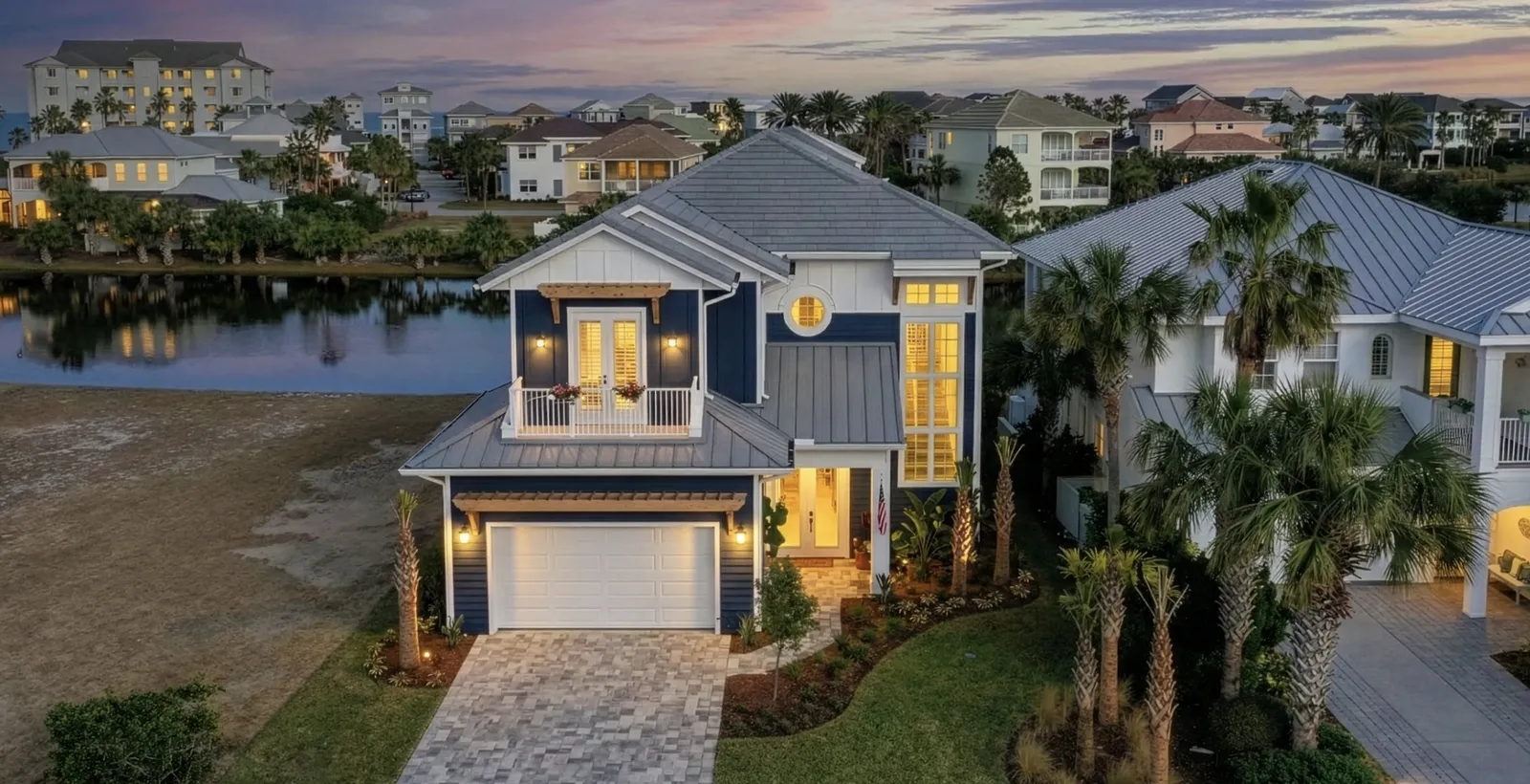
Is Jacksonville Too Far for a Daily Commute From Palm Coast?
For some workers, yes. For others, the answer depends on their schedule, workplace location, and tolerance for a longer drive.
Jacksonville is accessible from Palm Coast via I-95, but it is considerably farther away than St. Augustine or Daytona Beach. A drive of roughly one hour each way can be manageable under favorable conditions. However, when traffic, construction, crashes, or other delays push the commute toward 75 or 90 minutes, the impact can become much more significant.
For renters considering Palm Coast while working in Jacksonville, the most important question is not simply whether the drive is possible. It is whether the commute makes sense five days a week.
When Does a Commute Become Too Long?
There is no universal answer.
Some workers are comfortable spending an hour or more in the car each way. Others find that even a 45-minute commute takes too much time away from their personal lives.
The difference becomes especially important when traffic turns a planned one-hour trip into a 75- or 90-minute drive.
A 60-minute commute each way means:
2 hours of driving per day
10 hours per five-day workweek
Approximately 40 hours over four weeks
A 75-minute commute each way means:
2½ hours per day
12½ hours per week
Approximately 50 hours over four weeks
At 90 minutes each way, the total reaches:
3 hours per day
15 hours per week
Approximately 60 hours over four weeks
That is a substantial amount of time spent traveling.
The Financial Cost Goes Beyond Gas
It is easy to calculate the fuel required for a long commute and stop there.
But the true cost of driving from Palm Coast to Jacksonville can include much more than gasoline.
Consider:
Gas
Vehicle maintenance
Oil changes
Tires
Insurance
Tolls, if applicable
Parking
Vehicle depreciation
Lost personal time
A longer commute means more miles on your vehicle. Over time, those additional miles can contribute to more frequent maintenance, tire replacement, and depreciation.
If you are comparing a Palm Coast rental with a more expensive home closer to Jacksonville, these costs should be part of the calculation.
Time May Be More Important Than Money
The financial cost of commuting is measurable, but time can be the bigger consideration.
Imagine two rental options.
Option A: Palm Coast
Lower monthly rent
Larger home or more desirable residential setting
Longer commute
Approximately 2½ hours of daily driving
Option B: Closer to Jacksonville
Higher monthly rent
Shorter commute
Less time behind the wheel
Potentially higher housing costs
The Palm Coast option may still be the better choice.
But if the longer commute consumes 10 to 15 hours every week, you should consider what that time is worth to you.
Those hours could otherwise be spent with family, exercising, relaxing, working on personal projects, or enjoying the community where you live.
Where You Work in Jacksonville Matters
"Jacksonville" is a large geographic area.
A job near the southern part of the Jacksonville metropolitan area can produce a very different commute from a job near downtown, the airport, North Jacksonville, Arlington, or other parts of the city.
Your final destination after leaving I-95 can have a significant effect on total travel time.
This is why renters should enter their actual workplace address into a route planner rather than simply comparing Palm Coast with "Jacksonville."
The distance between city centers does not necessarily represent your daily commute.
Traffic Can Change the Calculation
A route that looks reasonable during midday may be much less attractive during weekday rush hour.
Traffic can be affected by:
Morning and afternoon commuting
Crashes
Construction
Weather
Special events
Road closures
Congestion near major interchanges
If you are considering Palm Coast specifically because of a lower rental price or a preferred lifestyle, test the commute during the hours you will actually be traveling.
A 60-minute estimate is much less useful if your real commute regularly takes 80 or 90 minutes.
Palm Coast Works Best When You Choose the Commute Carefully
Palm Coast can be a practical home base for workers serving several cities along Florida's northeast coast.
St. Augustine
St. Augustine is close enough to Palm Coast to make many daily commutes realistic. The relatively short distance can make it one of the easier regional employment destinations for Palm Coast residents.
Daytona Beach
Daytona Beach is also within a reasonable driving range for many workers, particularly those whose jobs are close to I-95.
The exact neighborhood and workplace location still matter, but the overall commute is generally shorter than the trip to Jacksonville.
Jacksonville
Jacksonville is accessible from Palm Coast via I-95, but the greater distance changes the equation.
For someone working remotely or commuting only two or three days per week, the drive may be a reasonable trade-off.
For someone who needs to make the trip five days a week, the longer commute deserves much more careful consideration.
Hybrid Work Can Make Jacksonville More Realistic
The number of days you commute can completely change the calculation.
Someone driving to Jacksonville five days a week could spend more than 10 hours per week on the road with a one-hour commute each way.
A hybrid worker making the same trip only twice a week would spend approximately four hours commuting per week.
That difference can make Palm Coast much more attractive.
Before rejecting Palm Coast because Jacksonville seems too far away, check your employer's actual work requirements.
Ask:
How many days must I be in the office?
Are office days fixed?
Can I work remotely part of the week?
Could the company's hybrid policy change?
Are additional in-person meetings required?
Your work schedule may be more important than the mileage.
Compare the Total Cost of Living
If you work in Jacksonville five days a week, compare the total cost of commuting with the cost of renting closer to your workplace.
For example, a cheaper Palm Coast rental may come with:
Higher fuel expenses
More vehicle maintenance
More frequent tire replacement
Greater depreciation
Parking expenses
More time spent driving
Meanwhile, a more expensive rental closer to Jacksonville may reduce transportation expenses and give you more free time.
Neither option is automatically better.
The right choice depends on how you value housing costs, transportation expenses, time, and lifestyle.
Don't Judge Palm Coast by Mileage Alone
One of the biggest mistakes renters and homebuyers can make is focusing only on the number of miles between two cities.
A better approach is to evaluate the entire commute:
Home → local roads → I-95 → Jacksonville exit → local roads → workplace → parking
Then consider the same route during your actual commuting hours.
A property five minutes from I-95 can provide a very different experience from one that requires 20 minutes of local-road driving before reaching the interstate.
A Practical Commute Comparison
Destination | General distance from Palm Coast | Commute considerations |
St. Augustine | Roughly 25–31 miles | Often practical for daily commuters |
Daytona Beach | Roughly 24–30+ miles | Reasonable for many daily commuters |
Jacksonville | Roughly 62 miles | More challenging for five-day commuters; more attractive for hybrid workers |
These are broad planning ranges rather than guaranteed travel times. Traffic, weather, construction, crashes, special events, the exact neighborhood, and the location of the workplace can all change the actual trip.
So, is Jacksonville too far for a daily commute from Palm Coast?
For some workers, it probably is.
A roughly one-hour drive each way may be manageable, but a commute that regularly stretches to 75 or 90 minutes can consume a significant part of your week.
Palm Coast generally works best when you choose your commute carefully.
St. Augustine is close enough to make many daily commutes realistic.
Daytona Beach is also within a reasonable driving range for many workers, particularly when the workplace is near I-95.
Jacksonville is accessible, but the distance makes it considerably more attractive for hybrid workers than for someone looking for a short daily commute.
The most important lesson is simple:
Don't judge a Palm Coast commute by mileage alone.
Look at the exact neighborhood, the nearest I-95 access point, the workplace location, traffic conditions, parking, and the number of days you actually need to commute.
For renters and homebuyers, those details can make the difference between a manageable commute and spending hours every week behind the wheel.
Sources
Palm Coast & Flagler Beaches — Economic Development / Prime Location
Visit Florida, Palm Coast destination information and regional driving distances.
Travelmath, Palm Coast to Daytona Beach driving time.
Rome2Rio, Palm Coast to St. Augustine driving distance and time.
Rome2Rio, Palm Coast to Jacksonville driving distance and time.
Trippy, Palm Coast driving-distance estimates to Daytona Beach and St. Augustine.