Beach parking guide: Deerfield Beach, Red Reef and Spanish River in Boca, and Flagler Beach near Palm Coast

Planning a beach day in South Florida or along the Palm Coast coast? One of the easiest ways to avoid frustration is to understand the parking rules before you arrive.
Parking policies can vary significantly from one beach to another. Some locations use hourly meters, while others require a daily entrance fee or an annual beach parking permit. Flagler Beach, meanwhile, has several city-owned parking lots close to the ocean.
Here is a practical guide to parking at Deerfield Beach, Red Reef Park and Spanish River Park in Boca Raton, and Flagler Beach near Palm Coast.
Deerfield Beach Parking Guide: Rates, Locations, and Tips for Beach Visitors
If you are planning a day at Deerfield Beach, parking is one of the first things to consider. The city has a combination of metered beach parking lots and on-street spaces, with rates that vary depending on the location and time of the week.
Deerfield Beach uses a pay-by-plate parking system, so visitors need to enter their vehicle license plate information when paying at a multi-space meter. The city also offers mobile payment through ParkMobile.
Current Deerfield Beach Parking Rates
Parking rates depend on the specific zone. The City of Deerfield Beach currently lists the following rates for beach-area parking:
Parking Area | Monday 6 AM–Friday 4 PM | Friday 4 PM–Sunday Midnight |
Kirk Cottrell Pavilion | $3/hour | $4/hour |
Fishing Pier Parking Lot | $3/hour | $4/hour |
Other Barrier Island Beach Zones | $2/hour | $3/hour |
Pioneer Park Boat Ramp | $1/hour | $1/hour |
The city notes that rates are determined by the individual parking zone, so visitors should always check the posted signs or parking meter before completing their payment.
For visitors heading directly to the beach, the Kirk Cottrell Pavilion and Fishing Pier parking areas are among the more expensive beach parking options, particularly from Friday afternoon through Sunday.
How Deerfield Beach Pay-by-Plate Parking Works
Deerfield Beach's parking system is designed around the vehicle's license plate rather than a traditional dashboard receipt.
At a multi-space parking meter, drivers enter their license plate number, select the amount of parking time they need, and pay. The meters accept major credit cards and coins. The city uses license plate recognition technology to verify whether a vehicle has an active parking session.
Visitors can also use the ParkMobile app to pay for parking or extend an existing parking session. The city currently lists a standard mobile-app convenience fee of $0.70 per transaction.
One important detail: Deerfield Beach warns visitors not to scan QR codes placed on unofficial parking signs. The city's official parking information directs drivers to use the designated parking zone number and authorized payment methods.
Popular Places to Park Near the Beach
Fishing Pier Parking Lot
The parking lot near the International Fishing Pier is one of the most convenient choices for visitors who want quick access to the pier and central beach area.
The city identifies this as Zone 8502. The lot is charged at $3 per hour from Monday at 6 AM through Friday at 4 PM, increasing to $4 per hour from Friday at 4 PM through Sunday midnight.
The International Fishing Pier itself is located at 200 N.E. 21st Avenue and extends 976 feet into the Atlantic Ocean.
Kirk Cottrell Pavilion
Kirk Cottrell Pavilion is another popular parking area for beach visitors. The pavilion is located at 314 N.E. 21st Avenue, close to the beach and the International Fishing Pier.
Its parking area is Zone 8501. Rates are $3 per hour during the weekday period and $4 per hour from Friday afternoon through Sunday midnight.
Main Beach and Other Barrier Island Parking
Additional beach parking is available in Zones 8503, 8504, and 8505. These areas generally have the lower beach parking rate of $2 per hour from Monday at 6 AM through Friday at 4 PM and $3 per hour from Friday at 4 PM through Sunday midnight.
The city lists the Main Beach Parking Lot at 149 S.E. 21st Avenue.
When Is Parking Enforced?
Parking enforcement hours depend on the location.
Areas north of S.E. 1st Street and along Ocean Way, including the Kirk Cottrell Pavilion and Fishing Pier parking areas, are enforced every day from 6 AM until midnight.
Areas south of S.E. 1st Street and along Ocean Way, including the Main Beach parking area, are enforced every day from 6 AM until 11 PM.
The city also notes that a parking lot west of A1A and east of S.E. 19th Avenue between S.E. 5th Street and S.E. 6th Street closes at 7 PM.
Because enforcement hours vary, visitors should check the signs at the specific parking location rather than assuming that all beach parking follows the same schedule.
Do You Need a Parking Permit?
Deerfield Beach offers residential beach parking permits, but these are intended for eligible residents rather than ordinary visitors.
The city lists residential permit locations including South Beach, Main Beach, Fire Station, and Hillsboro. Visitors using regular on-street parking must still pay for their parking session where payment is required.
Tips for Visitors
Arrive Early on Weekends
Weekend beach parking can become busy, particularly during holidays, sunny weather, and peak beach hours. Arriving earlier can improve your chances of finding a convenient space near the beach.
Check the Zone Number
Do not assume that the parking rate is the same throughout the beach area. Check the nearby sign or meter for the correct zone number and rate before paying.
Keep Track of Your Parking Time
The city uses license plate recognition to check parking sessions. You do not need to leave a paper receipt on your dashboard, but keeping the receipt for your records can be useful.
Consider Mobile Payment
ParkMobile can be convenient if you want to extend your parking session without returning to a meter. A mobile convenience fee applies to each transaction.
Watch the Enforcement Hours
Even if you arrive late in the day, don't assume parking is free. Enforcement continues into the evening in many beach areas, with different cutoff times depending on the zone.
Parking at Deerfield Beach is relatively straightforward once you understand the zone system. The main thing to remember is that rates vary by location and increase on weekends.
For the most convenient access to the pier and central beach, visitors can look at the Fishing Pier or Kirk Cottrell Pavilion lots. Other barrier-island parking areas may offer a lower hourly rate.
Before leaving your vehicle, check the posted parking sign, confirm the correct zone, enter your license plate accurately, and make sure your parking session covers the time you plan to stay.
Parking rules and rates can change, so visitors should verify the current information with the City of Deerfield Beach before their trip.
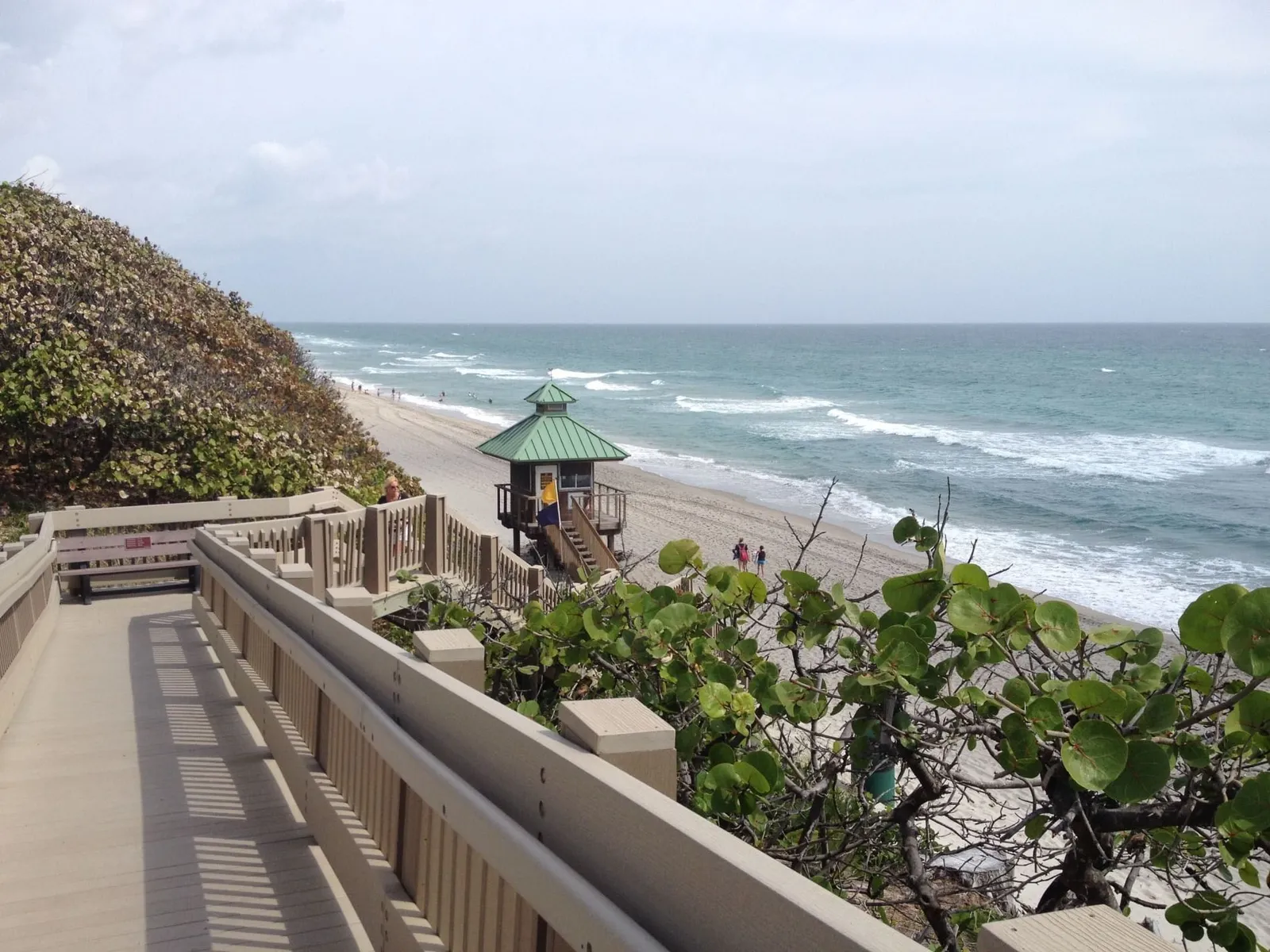
Red Reef Park in Boca Raton: Parking Fees, Permits, and What Visitors Should Know
Red Reef Park is one of Boca Raton’s best-known oceanfront parks, offering visitors direct access to the beach along with restrooms, picnic areas, walking paths, a playground, boardwalk access, and snorkeling opportunities. The park is located at 1400 N Ocean Blvd., Boca Raton, FL 33432.
For visitors planning a beach day, one of the most important things to understand is how parking works. Unlike some nearby beaches that rely primarily on hourly parking meters, Red Reef Park uses daily beach vehicle-entry fees and annual beach vehicle permits.
Red Reef Park Parking
Red Reef Park has approximately 230 parking spaces, including designated accessible spaces. Visitors must have an appropriate beach permit or pay the applicable daily entrance fee to park inside the beach park.
The City of Boca Raton’s 2025-2026 User Fee Schedule lists different daily rates depending on the vehicle class and whether the visit occurs on a weekday or weekend/holiday.
2025-2026 Daily Parking Fees
For a Class 1 vehicle, which includes regular automobiles, motorcycles, motorbikes, golf carts, and passenger vans with up to 11 people, the current daily fee is:
$35 on weekdays
$50 on weekends and holidays
For Class 2 vehicles, which include larger vehicles such as buses, trucks, cargo vans, shuttle buses, and other vehicles outside the Class 1 category, the daily rates are:
$85 on weekdays
$120 on weekends and holidays
An additional $30 daily fee applies when a trailer is attached to a vehicle.
These fees apply to Red Reef Park as well as Boca Raton’s Spanish River and South Beach Parks, although eligibility and access can vary by permit type.
Annual Beach Vehicle Permits
Frequent beach visitors may want to consider an annual beach vehicle entry permit instead of paying the daily rate.
For the 2025-2026 permit year, the City of Boca Raton lists an annual Class 1 vehicle permit at $85 for:
City of Boca Raton residents
Greater Boca Raton Beach and Park District residents
The annual permit provides access to the applicable Boca Raton beach parks. The city states that annual permits are valid from October 1 through September 30 and are not prorated.
Palm Beach County residents have a separate annual permit option listed at $102, but that permit provides access to South Beach Park only, rather than Red Reef Park.
Daily Fee vs. Annual Permit
For occasional visitors, paying the daily fee may make more sense. However, frequent beachgoers should compare the annual permit price with the number of visits they expect to make.
For example, at the current Class 1 weekday rate of $35, an $85 annual permit can become more economical after only a few qualifying visits, assuming the visitor is eligible for the resident permit.
The city also allows a credit toward an eligible annual permit for one daily park entrance fee, provided the original cash-register receipt is presented within 30 days and the permit is purchased in the same vehicle classification.
Red Reef Beach vs. Red Reef West Parking
Visitors should pay attention to the difference between Red Reef Park and Red Reef West.
Red Reef Park is the oceanfront beach park at 1400 N Ocean Blvd. and requires a beach parking permit or daily entrance payment.
Red Reef West, on the other side of A1A, has metered parking. The City of Boca Raton lists Red Reef Park West among the locations where visitors can use ParkMobile to pay for metered parking.
This distinction is important because paying for metered parking at Red Reef West is not the same as paying the beach vehicle-entry fee for parking inside Red Reef Park.
What Visitors Get at Red Reef Park
Parking is only part of the appeal. Red Reef Park provides several amenities that make it a popular choice for a full beach day.
The city lists:
Beach access
Restrooms
Drinking fountains
Benches
Picnic areas
Walking paths
Boardwalk
Playground
Parking
Snorkeling opportunities
Accessible parking
The park also features an expanded snorkeling area with a jetty and artificial reefs located offshore.
For families, the combination of beach access, restrooms, picnic areas, and a playground can make Red Reef a convenient option. For visitors interested in snorkeling, the artificial reef area provides another reason to choose this beach.
Red Reef Park Hours
The City of Boca Raton currently lists Red Reef Park hours as 8 a.m. to 10 p.m.
Visitors should still check the city’s website before traveling because park operations, parking policies, weather conditions, or temporary closures can change.
Important Parking Distinction
One of the most common sources of confusion is the difference between beach parking fees and ordinary city parking meters.
A beach vehicle-entry permit or daily beach fee applies when parking inside Red Reef Park. The city separately operates metered parking in other locations, including Red Reef Park West. Those meters are not covered simply because you have paid for a beach parking permit elsewhere.
In other words:
Parking inside Red Reef Park: Pay the daily beach entrance fee or use an eligible annual beach vehicle permit.
Metered parking at Red Reef West or other city locations: Pay the applicable meter rate separately.
Understanding this difference can help visitors avoid arriving at the wrong parking area or assuming that a beach permit covers every nearby parking space.
Tips for Planning a Red Reef Beach Visit
If you are planning to visit Red Reef Park, consider these tips:
Check the current daily rate before leaving. Beach fees can change with new city fee schedules.
Know whether your vehicle is Class 1 or Class 2. Larger commercial-style vehicles can be subject to substantially higher fees.
Consider an annual permit if you visit frequently. Eligible Boca Raton and Greater Boca Raton Beach and Park District residents can currently purchase a Class 1 annual permit for $85.
Do not confuse Red Reef Park with Red Reef West. The two areas have different parking arrangements.
Arrive prepared for a beach day. Red Reef offers restrooms, picnic areas, walking paths, and snorkeling facilities.
Check city information before your trip. Hours, fees, and temporary operating conditions can change.
Red Reef Park is a convenient oceanfront destination for Boca Raton residents and visitors, but its parking system is different from ordinary city street parking. For the 2025-2026 fee schedule, a Class 1 vehicle costs $35 on weekdays or $50 on weekends and holidays to enter and park at the beach park. Class 2 vehicles pay higher rates of $85 weekdays or $120 weekends and holidays.
Eligible City of Boca Raton and Greater Boca Raton Beach and Park District residents can instead purchase an $85 annual Class 1 beach vehicle permit.
For anyone comparing Boca Raton beaches, the key is to check the parking rules for the specific park you plan to visit. At Red Reef, planning ahead can make the difference between a smooth beach day and an unexpected parking expense.
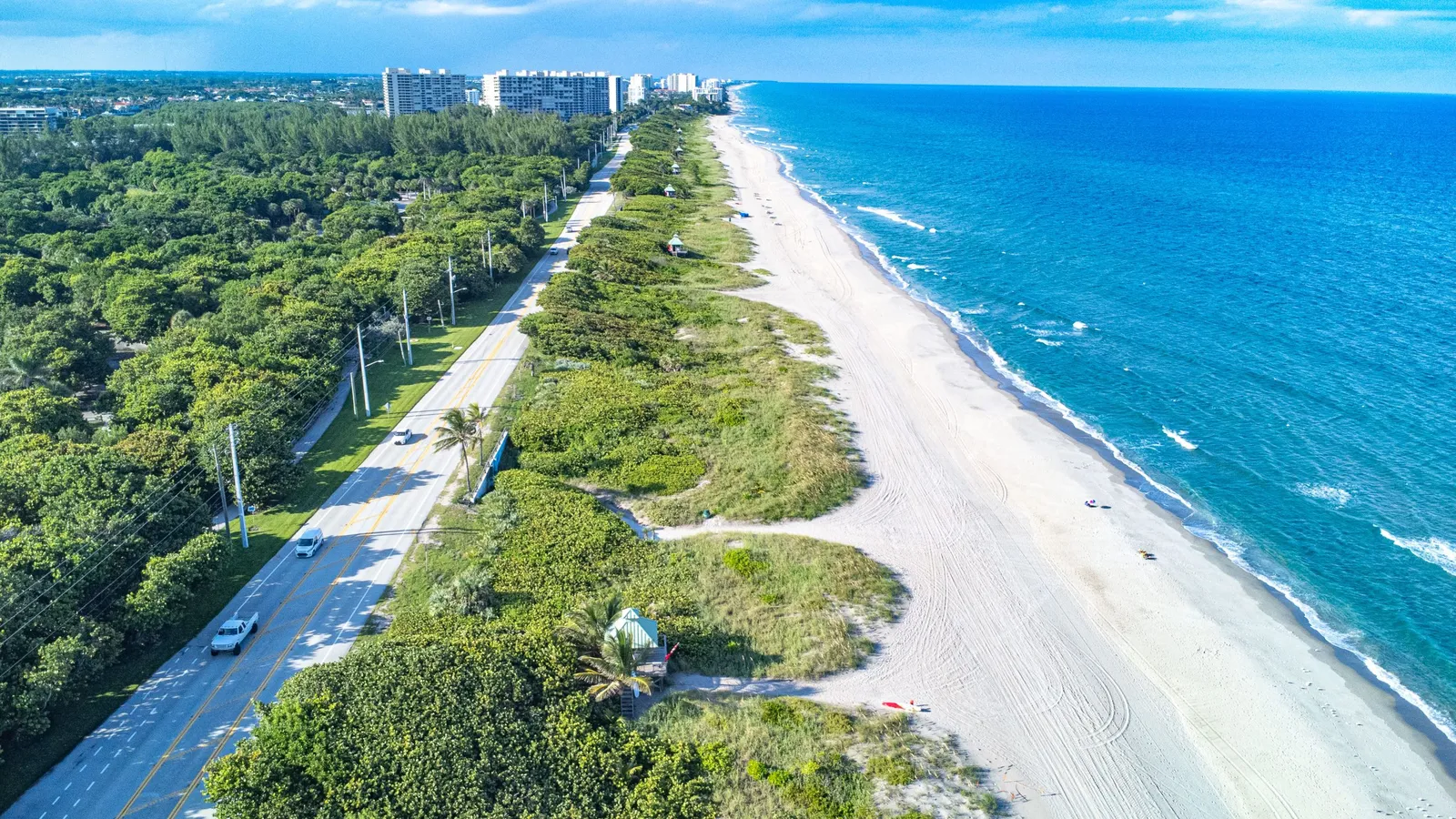
Spanish River Park in Boca Raton: Parking Fees, Beach Access, and What Visitors Should Know
Spanish River Park is one of Boca Raton’s popular oceanfront parks, offering visitors more than just access to the Atlantic Ocean. Located at 3001 N State Road A1A, Boca Raton, FL 33434, the park combines beach access with picnic facilities, recreational areas, nature spaces, and amenities that make it suitable for families and visitors planning to spend several hours outdoors.
Like Red Reef Park, Spanish River Park operates under Boca Raton’s beach vehicle-entry parking system. Visitors need either an eligible beach parking permit or must pay the applicable daily vehicle fee.
Where Is Spanish River Park?
Spanish River Park is located along North State Road A1A, north of central Boca Raton. Its location provides convenient access to the Atlantic beach while also putting visitors close to the Intracoastal Waterway and surrounding natural areas.
The park is particularly appealing to visitors who want a more spacious outdoor experience than simply parking near the beach and spending a few hours on the sand.
Amenities include:
Atlantic Ocean beach access
Picnic areas
Restrooms
Playground
Nature areas
Lagoon and Intracoastal-side recreational areas
Walking and outdoor recreation areas
Parking facilities
Because of its combination of beach and park amenities, Spanish River can work well for families, groups, and visitors planning a longer day outdoors.
Spanish River Park Parking Fees
Spanish River Park follows Boca Raton’s beach parking fee structure.
For the 2025-2026 fee schedule, the daily vehicle-entry fee for a Class 1 vehicle is:
$35 per day on weekdays
$50 per day on weekends and holidays
Class 1 vehicles include regular automobiles, motorcycles, motorbikes, golf carts, and passenger vans carrying up to 11 people.
The city also has a separate Class 2 category for larger vehicles, which are subject to higher daily fees. Under the 2025-2026 schedule, Class 2 vehicles are charged $85 on weekdays and $120 on weekends and holidays.
These rates are important for visitors comparing Boca Raton beaches because parking costs can be significantly different from ordinary metered street parking.
A Permit or Daily Fee Is Required
Visitors should plan on paying the applicable beach vehicle-entry fee unless they have an eligible annual beach vehicle permit.
For eligible Boca Raton and Greater Boca Raton Beach and Park District residents, the city lists an annual Class 1 beach vehicle permit at $85 for the 2025-2026 permit year.
The annual permit provides access to applicable Boca Raton beach parks and can be a better value for residents who visit frequently.
Occasional visitors may find it easier to simply pay the daily fee when they arrive.
Spanish River vs. Ordinary Metered Parking
It is important not to confuse Spanish River Park’s beach parking system with Boca Raton’s regular street or metered parking.
The beach parks operate with a daily vehicle-entry fee or beach vehicle permit. This is different from metered parking areas elsewhere in Boca Raton.
If you are comparing parking options around Boca Raton’s beaches, always check whether you are parking inside a beach park or in a separate city parking area. The payment system and applicable fees may be different.
Why Spanish River Park Is Worth Planning Ahead For
Spanish River Park is a good choice for visitors who want to turn a beach visit into a longer outdoor outing.
Instead of spending only a few hours on the sand, visitors can combine beach time with a picnic, playground visit, nature exploration, or time around the park’s lagoon and Intracoastal-side areas.
This makes Spanish River especially attractive for families. Parents can combine swimming and beach activities with a picnic or time at the playground, while visitors who prefer nature can explore areas away from the main beach.
Spanish River Park Hours
The City of Boca Raton lists Spanish River Park as open from 8 a.m. until sunset.
Because beach conditions, weather, maintenance, special events, and other circumstances can affect park operations, it is a good idea to check the City of Boca Raton’s official information before visiting.
Tips for Visiting Spanish River Park
A little planning can make a Spanish River beach day easier.
1. Check the parking fee before you go
For a Class 1 vehicle, the 2025-2026 daily rate is $35 on weekdays and $50 on weekends and holidays.
2. Consider an annual permit if you visit regularly
Eligible Boca Raton and Greater Boca Raton Beach and Park District residents can purchase an annual Class 1 beach vehicle permit for $85.
3. Plan for more than beach time
Bring what you need for a longer outing, especially if you plan to use the picnic areas, playground, nature areas, or other park facilities.
4. Check the weather and park information
Conditions along the Atlantic coast can change quickly. Check current weather, beach conditions, park information, and any temporary closures before leaving.
5. Arrive earlier on busy days
Weekends and holidays are likely to be more popular. Arriving earlier can make it easier to find a suitable parking space and enjoy more of the day at the park.
How Spanish River Compares With Red Reef Park
Spanish River and Red Reef are both Boca Raton beach parks with the same basic daily Class 1 vehicle fee structure for the 2025-2026 fee schedule.
The biggest difference is the overall park experience.
Red Reef Park is particularly well known for its snorkeling opportunities, artificial reef area, beach access, and convenient oceanfront amenities.
Spanish River Park offers a broader recreational setting, with beach access combined with picnic facilities, a playground, nature areas, and lagoon and Intracoastal-side areas.
For visitors who mainly want to get onto the beach and explore the reef, Red Reef may be the more natural choice. For families or groups looking for a longer park-and-beach outing, Spanish River can be a particularly appealing option.
Spanish River Park is more than a beach parking location. Its combination of Atlantic beach access, picnic facilities, recreational amenities, nature areas, and family-friendly features makes it a good choice for visitors planning to spend several hours outdoors.
For the 2025-2026 fee schedule, Class 1 vehicles pay $35 per day on weekdays or $50 per day on weekends and holidays. Eligible residents can also use an annual beach vehicle permit instead of paying the daily fee.
The most important thing to remember is that parking inside Spanish River Park requires either the applicable daily beach vehicle fee or an eligible permit. This system is separate from Boca Raton’s ordinary metered parking.
If you are comparing Boca Raton beach parking with nearby Deerfield Beach or other South Florida beaches, Spanish River is worth considering not only for its beach but also for the additional park facilities available for a full day outdoors.
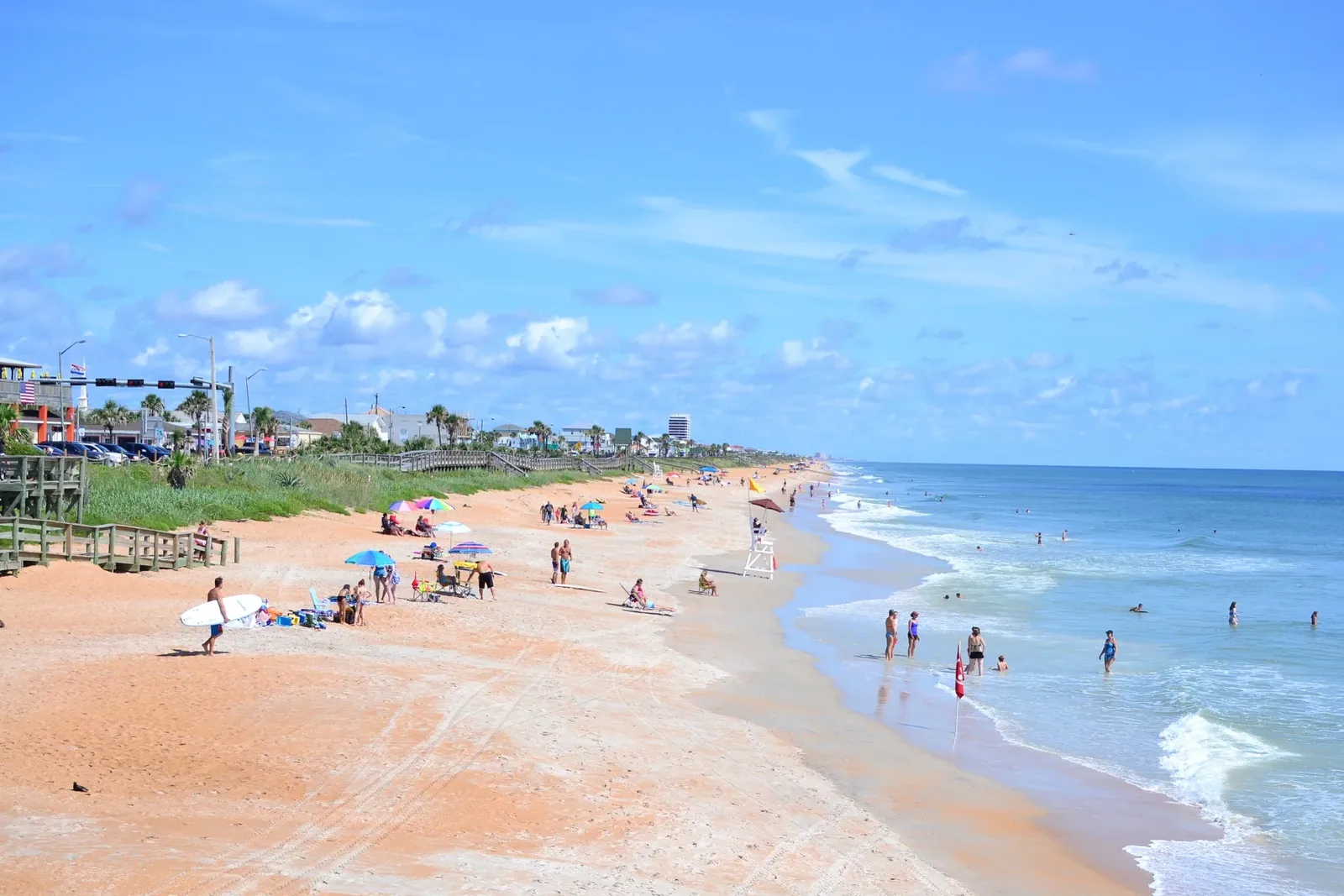
Flagler Beach Near Palm Coast: Parking Lots, Rules, and What Visitors Should Know
Flagler Beach offers a noticeably different parking experience from the beach parking systems found in Deerfield Beach and Boca Raton. Instead of relying on a small number of large paid beach facilities, Flagler Beach has several public parking lots spread throughout the community, giving visitors alternatives to searching for a space directly along the beachfront.
For anyone visiting Flagler Beach from Palm Coast or planning a beach day along Florida’s northeast coast, understanding where to park and which rules apply can make the visit much easier.
Where Can You Park in Flagler Beach?
The City of Flagler Beach currently lists several city vehicular parking lots on its official parking page. The locations include:
311 N Central Ave.
109 N 5th St.
504 S Ocean Shore Blvd.
503 S Daytona Ave.
113 S 8th St.
These lots are located around the north and south portions of the city and provide visitors with alternatives to trying to find a parking space directly along A1A.
The city specifically provides a parking-lot map and related information to help visitors locate available public parking before heading to the beach.
Why Parking Away From the Beachfront Can Be a Good Option
Flagler Beach is a compact coastal community, so parking directly next to the beach can become competitive during busy weekends, holidays, special events, and peak beach hours.
Using one of the city's public lots can make the experience easier because visitors do not necessarily have to drive along the beachfront looking for an open space.
Once parked, visitors can walk toward the beach and use designated beach access points and dune walkovers.
This can also be a better option for visitors who are unfamiliar with the local street-parking rules and want to avoid accidentally parking in a restricted area.
Check Parking Signs Carefully
One of the most important things to remember when parking in Flagler Beach is to read the signs at your parking location.
The city's current fee schedule includes fines for several parking violations. These include parking on streets where prohibited by official signs, parking on sidewalks, parking in fire lanes, parking in unauthorized spaces, parking against traffic flow, and parking in spaces reserved for specific uses.
The listed fine for parking on the dunes where prohibited by official sign is $150.
That is a particularly important rule for a coastal community such as Flagler Beach. Dunes are an important part of the shoreline's natural protection system, and visitors should use designated parking areas and beach access points rather than driving or parking on dune areas.
Dune Protection Is Part of the Beach Experience
Visitors should treat the dune system as an area to protect, not as an extension of the parking area.
The city's visitor resources direct people toward designated parking and beach access information, while the city's parking rules specifically prohibit parking on dunes where signs indicate that it is not allowed.
When heading to the beach, look for designated dune walkovers and access points rather than crossing or driving through protected dune vegetation.
Flagler Beach Parking Is Changing
One of the biggest reasons visitors should check current information before traveling is that Flagler Beach is reviewing and potentially changing its parking operations.
In June 2026, the city issued a Request for Qualifications for parking operations and enforcement services. The proposal covers approximately 400 parking spaces, including beachfront, on-street, and city-owned off-street spaces within the city's Community Redevelopment Area. The RFQ included parking operations, enforcement, technology integration, revenue management, customer service, and reporting services.
This indicates that the city's parking system is actively being evaluated and could evolve.
Paid Parking Is Being Evaluated
The city's 2026 calendar also listed a City Commission Paid Parking Workshop for August 11, 2026.
That is significant for visitors because older articles and travel websites may describe Flagler Beach parking as entirely or primarily free. Those descriptions may not reflect the city's current direction.
A parking policy under review does not necessarily mean every space has changed to paid parking. Instead, it means visitors should rely on current city information and the signs posted at the parking location rather than assuming that a space is free based on older information.
Don't Rely on Old Information About Free Parking
This is especially important for visitors traveling from Palm Coast.
Older city information has previously promoted free public parking lots near the beach, but Flagler Beach's current parking page now simply identifies its city parking-lot locations, while the city is actively reviewing parking operations and enforcement.
As parking policies change, the safest approach is to check the city's official parking information shortly before your trip and then follow the signs at the lot or street where you park.
A Good Strategy for a Flagler Beach Visit
If you are planning a beach day in Flagler Beach, consider the following approach:
1. Check the city's parking page before leaving
The city maintains an official list of parking lots and a parking map. This can help you identify alternatives before arriving.
2. Have a backup parking location
Do not assume that the first lot you reach will have an available space, particularly on weekends and during busy beach periods.
3. Read every parking sign
Parking restrictions can vary by location. A space that looks convenient may have restrictions involving loading zones, traffic direction, fire lanes, reserved spaces, or other regulations.
4. Stay off prohibited dune areas
A violation for parking on dunes where prohibited by official sign is currently listed at $150.
5. Check for parking-policy updates
Because the city is evaluating parking operations, current information is more reliable than older blog posts or social media comments.
6. Consider walking from a public lot
Flagler Beach's distributed parking system means you may be able to park a short distance away and walk to the beach rather than circling the beachfront looking for a space.
Flagler Beach vs. Boca Raton and Deerfield Beach
Flagler Beach is useful to compare with the South Florida beach destinations covered in this parking guide.
Deerfield Beach uses a more structured paid parking system around its popular beach areas, including hourly parking options.
Boca Raton's Red Reef and Spanish River parks use a beach vehicle-entry system with daily fees and annual permits for eligible users.
Flagler Beach, meanwhile, has multiple public lots distributed through the community, but its parking operations are currently being reviewed. The city has been considering expanded parking operations and enforcement, so the system may continue to evolve.
For visitors, the practical lesson is simple: do not assume that parking rules are the same from one Florida beach town to another.
Flagler Beach can be a convenient beach destination near Palm Coast because visitors have several public parking lots to choose from, including locations at 311 N Central Ave., 109 N 5th St., 504 S Ocean Shore Blvd., 503 S Daytona Ave., and 113 S 8th St.
However, parking is currently an area of active review in Flagler Beach. The city issued a 2026 RFQ for parking operations and enforcement covering approximately 400 spaces, and a City Commission Paid Parking Workshop was held in August 2026.
For that reason, visitors should check the city's current parking information and carefully read posted signs when they arrive. Do not rely on older claims that all Flagler Beach parking is free.
Most importantly, never park on prohibited dune areas. The city's current fee schedule lists a $150 fine for parking on dunes where prohibited by official sign.
A few minutes of planning before arriving can help you avoid a ticket and make your Flagler Beach day much more enjoyable.
Which Beach Has the Easiest Parking? Deerfield Beach, Red Reef, Spanish River, and Flagler Beach Compared
When planning a beach day, parking can be just as important as the sand, water, and amenities. A convenient parking system can save time and make a trip much less stressful, while confusing rules, limited spaces, or unexpected fees can quickly change the experience.
For visitors comparing Deerfield Beach, Red Reef Park and Spanish River Park in Boca Raton, and Flagler Beach near Palm Coast, there is no single winner for everyone. The easiest beach to park at depends on how long you plan to stay, what you want to do, and whether you prefer a dedicated beach parking system or multiple public parking lots.
Here is how the four destinations compare.
Deerfield Beach: Best for Shorter Beach Visits and the Pier Area
Best for: Visitors who want to be close to the pier, restaurants, shops, and the main beach area.
Deerfield Beach is a strong choice for visitors who want a traditional South Florida beach-town experience. The area around the International Fishing Pier has restaurants, shops, beachfront activities, and easy access to the main beach.
One advantage of Deerfield Beach is its hourly parking system. If you are planning to spend only a few hours at the beach, paying for the actual time you use can be more convenient than paying a full-day beach parking fee.
However, visitors should pay attention to the applicable rates because parking costs can vary depending on the day and location. Weekend parking can also be more expensive than weekday parking.
For someone planning a quick morning at the beach, a walk along the pier, lunch, and a few hours by the water, Deerfield Beach can be one of the more convenient options.
Deerfield Beach parking is best if you:
Want to stay near the pier
Plan to visit restaurants and shops
Are spending only a few hours at the beach
Prefer hourly parking rather than a full-day fee
Want a lively beachfront atmosphere
The trade-off is that popular areas can become busy, especially during weekends and holidays.
Red Reef Park: Best for a Classic Boca Raton Beach Day
Best for: Visitors who want a well-equipped oceanfront park and plan to spend much of the day there.
Red Reef Park offers a different parking experience from Deerfield Beach. Instead of primarily relying on hourly parking, Boca Raton uses a daily beach vehicle-entry fee for parking inside the beach park.
For the 2025-2026 fee schedule, a Class 1 vehicle costs:
$35 on weekdays
$50 on weekends and holidays
Eligible Boca Raton and Greater Boca Raton Beach and Park District residents can also purchase an annual Class 1 beach vehicle permit listed at $85 for the 2025-2026 permit year.
Because of the daily fee, Red Reef may not be the cheapest option for someone who wants to stop at the beach for only an hour or two. However, the calculation changes if you plan to spend most of the day there.
Red Reef also offers several amenities, including restrooms, picnic areas, walking paths, a playground, beach access, and snorkeling opportunities.
That makes the parking fee easier to justify for visitors who intend to use the park for several hours rather than simply stopping for a short beach visit.
Red Reef Park parking is best if you:
Want a traditional Boca Raton beach experience
Plan to spend several hours at the beach
Want restrooms and picnic facilities nearby
Are interested in snorkeling
Prefer parking inside an organized beach park
For a full-day beach outing, the daily fee can be more predictable than repeatedly paying an hourly rate.
Spanish River Park: Best for Families and Longer Beach Days
Best for: Families and visitors who want a larger park environment.
Spanish River Park provides a somewhat different experience from Red Reef because the park combines Atlantic Ocean beach access with a broader recreational setting.
The park includes:
Beach access
Picnic areas
Restrooms
Playground
Nature areas
Lagoon and Intracoastal-side recreational areas
Other outdoor amenities
Like Red Reef Park, Spanish River uses Boca Raton's beach vehicle-entry parking system.
For the 2025-2026 fee schedule, Class 1 vehicles pay:
$35 per day on weekdays
$50 per day on weekends and holidays
An annual beach vehicle permit is also available to eligible residents.
For families, Spanish River can be particularly convenient because the parking fee gives access to a park environment where visitors can do more than simply sit on the beach.
Parents may appreciate having picnic areas, restrooms, a playground, and additional recreational areas available during a longer visit.
Spanish River parking is best if you:
Are visiting with children
Plan to spend much of the day at the park
Want picnic facilities
Want beach access plus nature and recreational areas
Prefer a larger park environment
The main disadvantage is the daily fee if your plan is simply to stop for a short period.
Flagler Beach: Best for a Beach-Town Parking Experience
Best for: Visitors exploring Palm Coast and Flagler Beach who prefer multiple city parking locations and a walkable beach-town atmosphere.
Flagler Beach is different from all three South Florida destinations.
Instead of having one dominant beach parking facility, the city provides multiple public parking locations throughout the community. The city's official parking information currently lists lots at:
311 N Central Ave.
109 N 5th St.
504 S Ocean Shore Blvd.
503 S Daytona Ave.
113 S 8th St.
This distributed system gives visitors several options rather than requiring everyone to park in one central area.
However, visitors need to be especially careful about signs and restrictions.
The city's parking regulations include fines for several violations, including parking in prohibited locations, blocking sidewalks, parking in fire lanes, parking in unauthorized spaces, and parking on dunes where prohibited by official signs.
The current fee schedule lists a $150 fine for parking on dunes where prohibited by official sign.
Flagler Beach parking is best if you:
Are exploring the Palm Coast and Flagler Beach area
Like a smaller beach-town atmosphere
Are comfortable walking from a public parking lot
Want multiple parking locations to choose from
Are willing to check signs carefully
There is an additional consideration: Flagler Beach is reviewing its parking operations.
In June 2026, the city issued a request for qualifications related to parking operations and enforcement covering approximately 400 beachfront, on-street, and city-owned off-street spaces. The city's 2026 calendar also listed a City Commission Paid Parking Workshop.
That means visitors should not rely exclusively on older information describing Flagler Beach parking as free. Current city information and signs at the time of your visit are the safest sources.
Quick Comparison
Beach | Parking System | Best For | Main Advantage | Main Consideration |
Deerfield Beach | Primarily hourly parking | Shorter visits and pier area | Pay based on time | Weekend rates can be higher |
Red Reef Park | Daily beach vehicle fee | Full beach days | Convenient oceanfront park facilities | $35-$50 daily for Class 1 vehicles |
Spanish River Park | Daily beach vehicle fee | Families and longer visits | Beach + park amenities | Daily fee may not suit short visits |
Flagler Beach | Multiple city parking locations | Beach-town visits | Several lots to choose from | Rules and parking policies are changing |
So, Which Beach Has the Easiest Parking?
The answer depends on your plans.
For a quick beach visit: Deerfield Beach
If you are only staying for a couple of hours, Deerfield Beach may be the easiest choice because an hourly system can make more sense than paying a full-day fee.
It is particularly convenient if your plans include the pier, nearby restaurants, and the main beachfront area.
For a full-day beach trip: Red Reef Park
If you plan to spend most of the day at the beach, Red Reef Park may be easier.
The daily fee means you are not watching the clock, and the park has restrooms, picnic areas, a playground, beach access, and snorkeling opportunities.
For families: Spanish River Park
For families planning a longer outing, Spanish River Park stands out.
The combination of beach access, picnic areas, restrooms, playground facilities, nature areas, and Intracoastal-side recreational space makes it more than simply a place to park near the ocean.
For Palm Coast visitors: Flagler Beach
If you are already exploring Palm Coast and want a traditional Florida beach-town atmosphere, Flagler Beach is a natural choice.
The multiple city parking lots give visitors alternatives, but the system requires more attention to posted signs and current regulations.
Because the city is evaluating its parking operations, it is particularly important to check current information before visiting.
The Best Parking Depends on Your Beach Day
There is no universal winner when it comes to beach parking.
Deerfield Beach is a strong option for short visits and people who want to be close to the pier and restaurants.
Red Reef Park works well for visitors who want a classic Boca Raton beach day and are comfortable paying a daily fee.
Spanish River Park is particularly attractive for families and visitors who want to combine beach time with picnic areas, nature, playground, and other park amenities.
Flagler Beach provides a different experience, with several city parking lots and a walkable coastal community, but visitors should carefully check signs and current parking policies.
Ultimately, the easiest parking is the system that matches your plans. A two-hour beach stop and an eight-hour family beach day require very different parking strategies.
Beach parking varies considerably between these coastal destinations.
Deerfield Beach is convenient for shorter visits because of its hourly pay-by-plate system. Red Reef Park and Spanish River Park in Boca Raton use a daily beach vehicle fee, making them better suited to visitors planning a longer beach day. Flagler Beach, near Palm Coast, has several city-owned parking lots and a more traditional beach-town parking layout, although its parking system is currently under review.
Whichever beach you choose, check the official parking information before leaving home, pay attention to signs when you arrive, and avoid assuming that rules from one beach apply to another.
Sources
City of Deerfield Beach Parking Enforcement and Pay-by-Plate Information
City of Boca Raton – 2025-2026 Municipal Facilities and Services User Fee Schedule
City of Boca Raton – Spanish River Park: Official park information, location, amenities, and operating information.
City of Boca Raton – Beach Permits & Daily Rates: Official information on beach vehicle permits and daily parking fees.
City of Boca Raton – 2025-2026 User Fee Schedule: Official fee schedule covering beach parking vehicle classifications and daily rates.
City of Flagler Beach – Parking: Official list of city vehicular parking lots and parking map.
City of Flagler Beach – Request for Qualifications for Parking Operations & Enforcement Services: 2026 city RFQ covering approximately 400 beachfront, on-street, and city-owned off-street parking spaces.
City of Flagler Beach – Parking Operations & Enforcement RFQ
City of Flagler Beach – 2026 Meeting Calendar: Official listing for the City Commission Paid Parking Workshop held August 11, 2026.
City of Flagler Beach – 2025 Fee Schedule/Resolution 2025-65: Parking violation fees, including the $150 fine for prohibited dune parking.
City of Flagler Beach – Visitor Resources: Official visitor resources and parking information.
City of Deerfield Beach – Parking Information: Official city information on parking regulations and beach-area parking.
City of Boca Raton – Beach Permits & Daily Rates: Official beach vehicle permit and daily parking information for Red Reef Park and Spanish River Park.
City of Boca Raton – 2025-2026 User Fee Schedule: Official fee schedule for beach vehicle classifications and daily rates.
City of Boca Raton – Red Reef Park: Official information about Red Reef Park, facilities, and beach access.
City of Boca Raton – Spanish River Park: Official information about Spanish River Park and its facilities.
City of Flagler Beach – Parking: Official information about city parking lots and parking locations.
City of Flagler Beach – Parking Operations & Enforcement RFQ: 2026 information concerning the city's review of parking operations and enforcement.
City of Flagler Beach – 2025 Fee Schedule: Official parking violation fees, including the fine for prohibited dune parking.
City of Deerfield Beach – Parking Enforcement: Current parking zones, rates, enforcement hours and payment information.
City of Boca Raton – Beach Permits & Daily Rates: Current beach vehicle permit and daily fee information.
City of Boca Raton – 2025-2026 Municipal Fee Schedule: Current Red Reef, Spanish River and South Beach vehicle parking fees.
City of Boca Raton – Spanish River Park: Park location, hours, amenities and parking requirements.
City of Boca Raton – Red Reef Park: Park location, hours and parking requirements.
City of Flagler Beach – Parking: Current list of city vehicular parking lot locations.
City of Flagler Beach – FY2026 Fee and Fine Schedule: Current parking-related violations and fines.
City of Flagler Beach – 2026 Parking Operations RFQ: Information about the city's current parking operations review.